Diet for Diabetes

For people with diabetes, it is extremely important to follow a special diet because this condition disrupts the body’s metabolism.
The nature of the disease is that the pancreas is unable to function properly, resulting in the production of less insulin than is needed. Insulin is responsible for the body’s absorption of sugar.

In diabetes, the patient’s blood sugar levels are significantly elevated, so they must be lowered through various medications and dietary measures. Sometimes, a diet can help fully normalize blood sugar levels without the use of medication.
However, a diet is still necessary, even if a person is taking medication or receiving insulin injections.

A diet for high blood sugar depends heavily on the severity of the condition, body weight, lifestyle, and many other factors.

In addition, when planning a meal plan for diabetes, it is necessary to take into account the amount of energy a person expends over a 24-hour period.
What specific types of foods are allowed?
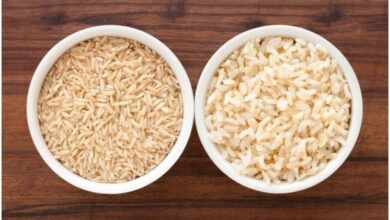
People with high blood sugar should eat more foods that contain dietary fiber—whole grains, nuts, vegetables, and fruits. Foods rich in fiber not only lower blood sugar but also help reduce cholesterol levels.

The daily fruit intake should not exceed 200 grams. Fruit should be divided into 5 portions to prevent a sharp spike in blood sugar.

Beef or offal may be consumed twice a week. Meat is necessary to provide the body with vitamins and protein. The best meat option for people with diabetes is chicken.
Fish and seafood fit perfectly into a diabetes diet.

Diabetics will need fermented milk products—kefir, yogurt, etc. Occasionally, it is permissible to eat cream or sour cream. However, you should not overindulge in high-fat dairy products. Cottage cheese should not be consumed, as it contains a significant amount of carbohydrates.

When eating eggs, it is best not to eat the yolk. When choosing vegetables, pay attention to their starch and carbohydrate content.
Which specific foods are contraindicated?
Specifically, sugar should not be consumed; it can be replaced with sweeteners. Instead of candy, it is better to eat dark or unsweetened chocolate.

A diet for high blood sugar should never include simple carbohydrates. You should avoid cookies, gingerbread, and similar items. The menu may include white wheat or rye bread.

You should avoid vegetables that are high in carbohydrates (potatoes, beets, etc.). In addition, you should avoid fruits and berries that contain large amounts of glucose (mangoes, strawberries, nectarines, bananas, peaches, raspberries).

A diet for diabetes should not include fruit juices. However, if you do consume them, the juice should be diluted with plain water (1 to 3).
Diabetics are strictly prohibited from eating fast food.

High levels of lipids in the blood lead to a worsening of the diabetic patient’s condition. The daily fat limit is no more than 40 grams.

Sample menu for a diabetic
It is best to eat store-bought foods, porridge, omelets, and eggs in the morning. You can finish breakfast with any hot beverage without sugar. Eggs, vegetables, and fruits make for a perfect lunch. Various soups, poultry, and fish dishes are excellent choices for dinner. It is best to wash it all down with fruit jelly or fruit compote.
Diet for Type 2 Diabetes. Nutrition for Diabetes

The perfect afternoon snack consists of 200–300 ml of yogurt, kefir, or similar, and a roll. Dinner can include fish, meat, vegetables, various salads, and grains. Warm tea or coffee makes an excellent beverage.

Helpful Tips
If you have high blood sugar, try to eat at the same times each day in small portions. This will help you avoid overeating and help your body get used to a regular eating schedule.
 788
788You must strictly monitor your weight and daily calorie intake (the average should be no more than 1,800 kcal). Try to choose foods at the store that list their calorie content.

Photos of a diabetes diet


 0-
0-


 9
9