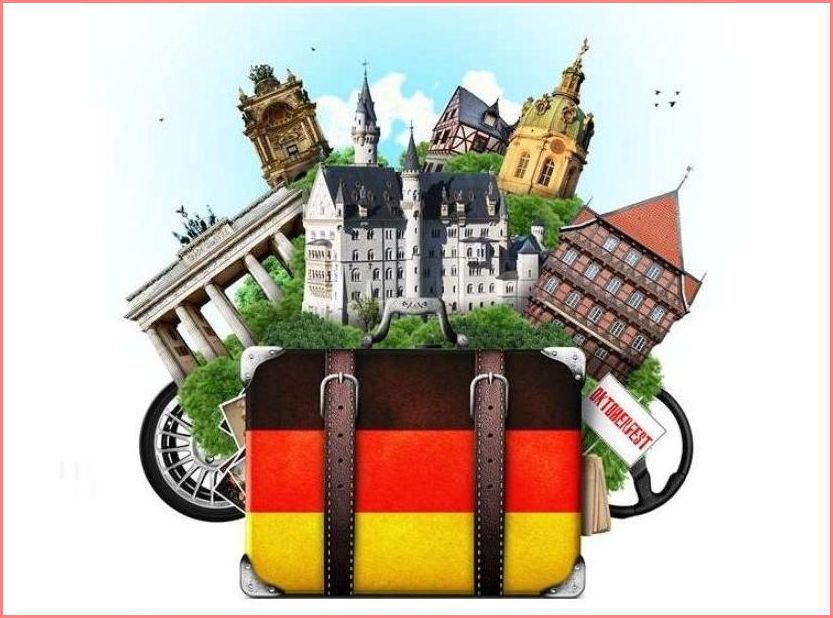
Germany
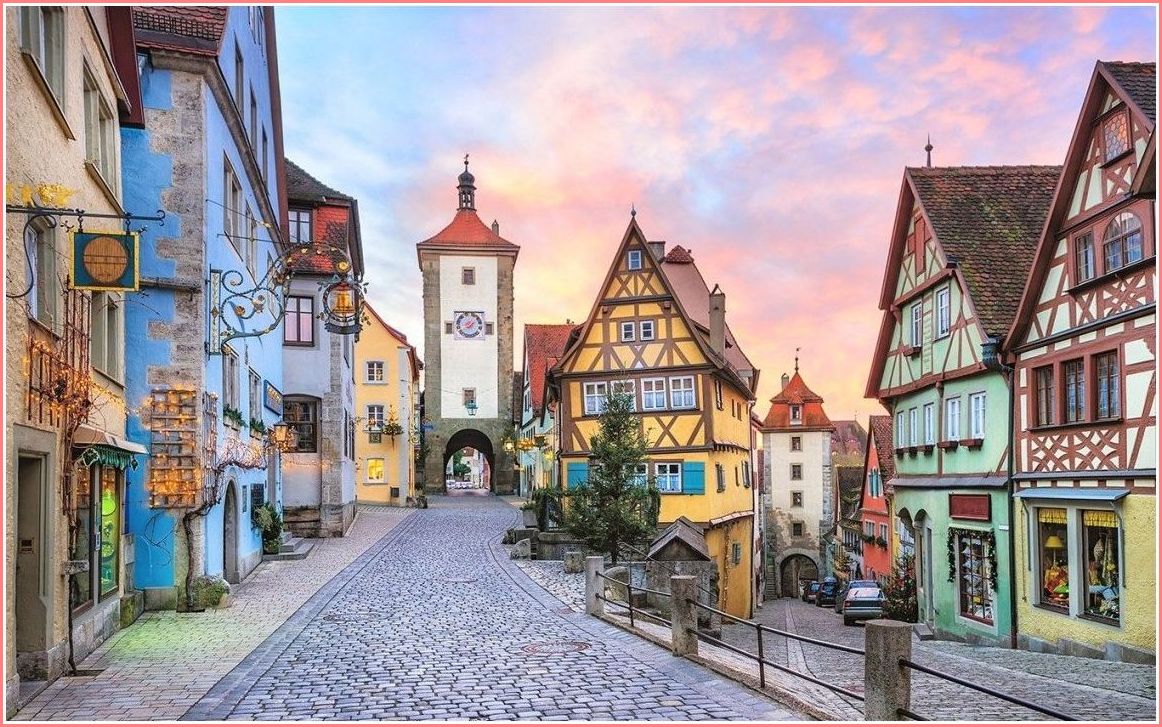
Germany is considered one of the huge states that make up the EU. Its location on the world map is Central Europe.
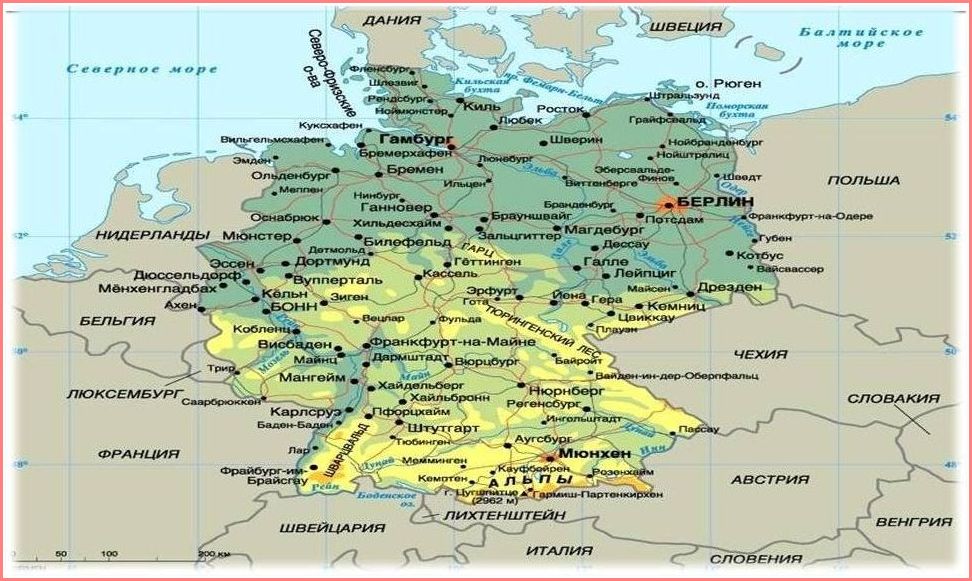
Germany’s borders lie with a number of countries: in the north with Denmark, in the east with Poland and the Czech Republic, in the south its neighbors are considered to be Switzerland and Austria, and the western border runs close to the outskirts of France, Holland, Luxembourg and Belgium.
Germany is a federal country, it includes sixteen national states, and the governing body in this country is the parliament. Mostly Germans profess Christianity. The country has access to two seas – the North and the Baltic.
Germany on the map
Germany is a country with a shabby history
This state took its name in the distant times of the Roman Empire, as evidenced by the name of the tribe. The inhabitants of this tribe, the “Germans,” lived beyond the Rhine plain. This people has been known since the development of Old Greece. Only a little later the word “Germans” began to appear in the documents of Ancient Rome. History says that after the fall of Rome, the state of the Franks was revived. King Charlemagne, in power in the ninth century, created a new power, but its existence was very short-lived. Later, the emperor’s grandchildren divided these lands into three countries, thanks to which the territory of the eastern Germanic tribes became Germany.
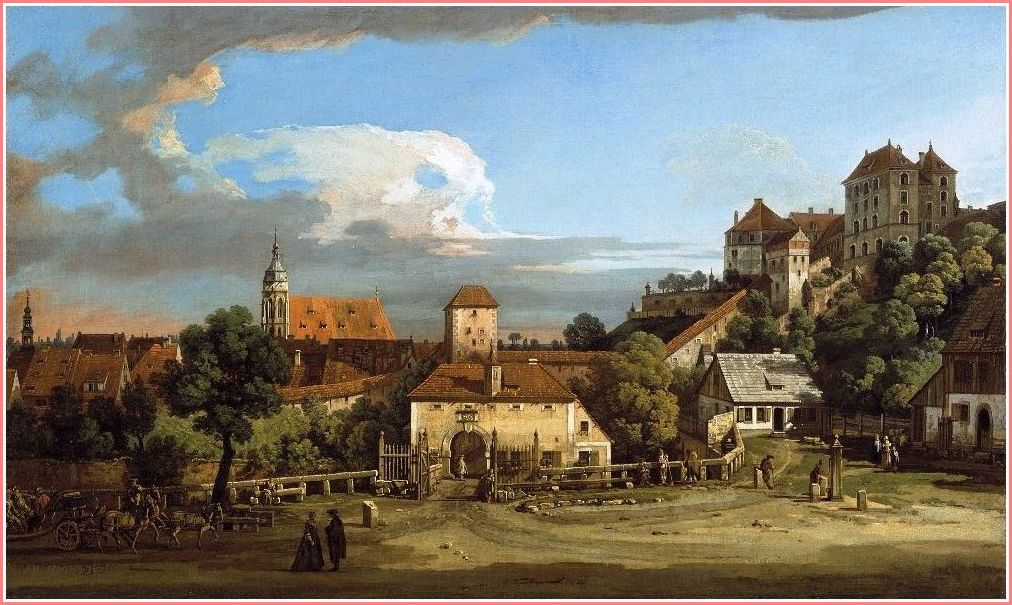
Many historical events around the world are associated with this country. Germany, due to its long history of existence, has almost always been a conquering country. At the beginning of the nineteenth century, during the Napoleonic Wars, the German Alliance was created; it later collapsed. At the end of the nineteenth century, culture, philosophy and science flourished in Germany, and it became a great power in Europe.
Germany played a huge role in the outbreak of two world wars, which resulted in losses and enormous consequences. After the defeat in World War II, the country was divided into two parts: the GDR and the Federal Republic of Germany. And only forty-five years later it united again.
About the nature of Germany
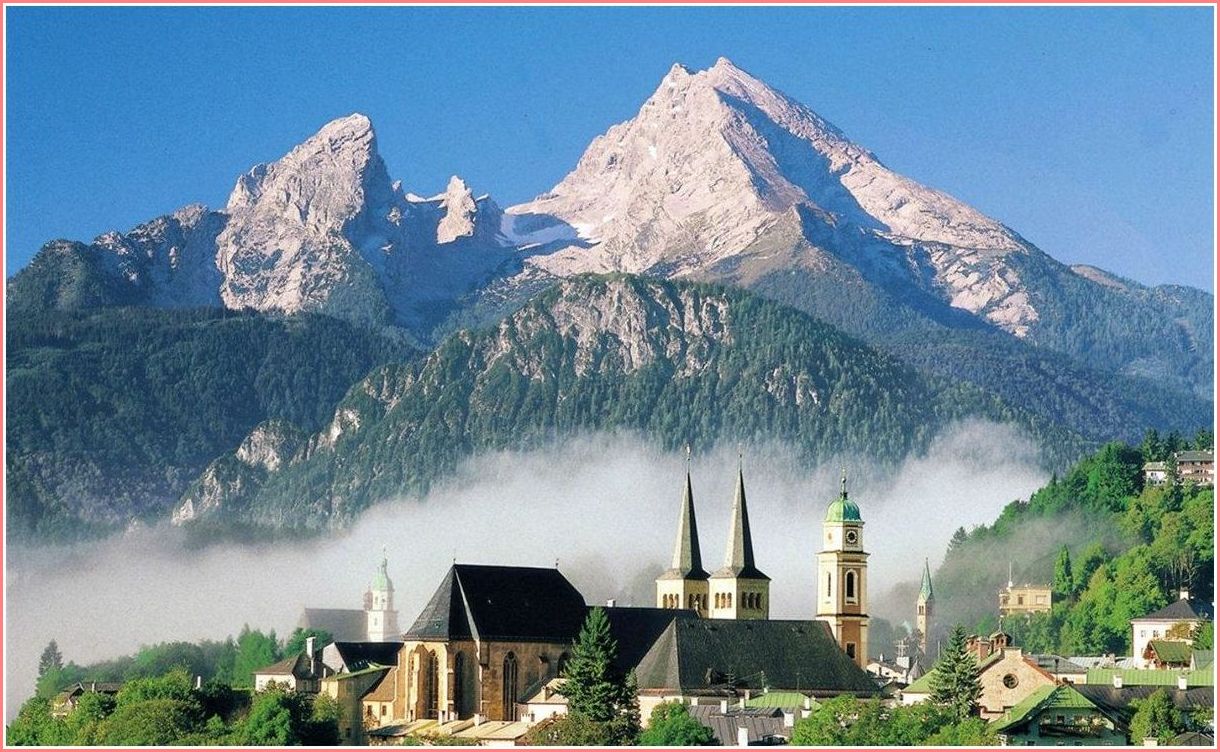
Like many countries, Germany has northern, central and southern parts. Some of them are plains, others are made up of hills and foothills, and on the third there are mountains. The rivers Rhine, Danube, Oder and Elbe, which flow through Germany, are enormous and have an enormous length. Lake Constance has an area of more than five hundred square meters. kilometers and a depth of two hundred and fifty-four meters, it has a beautiful view and is located in the foothills of the Alps.
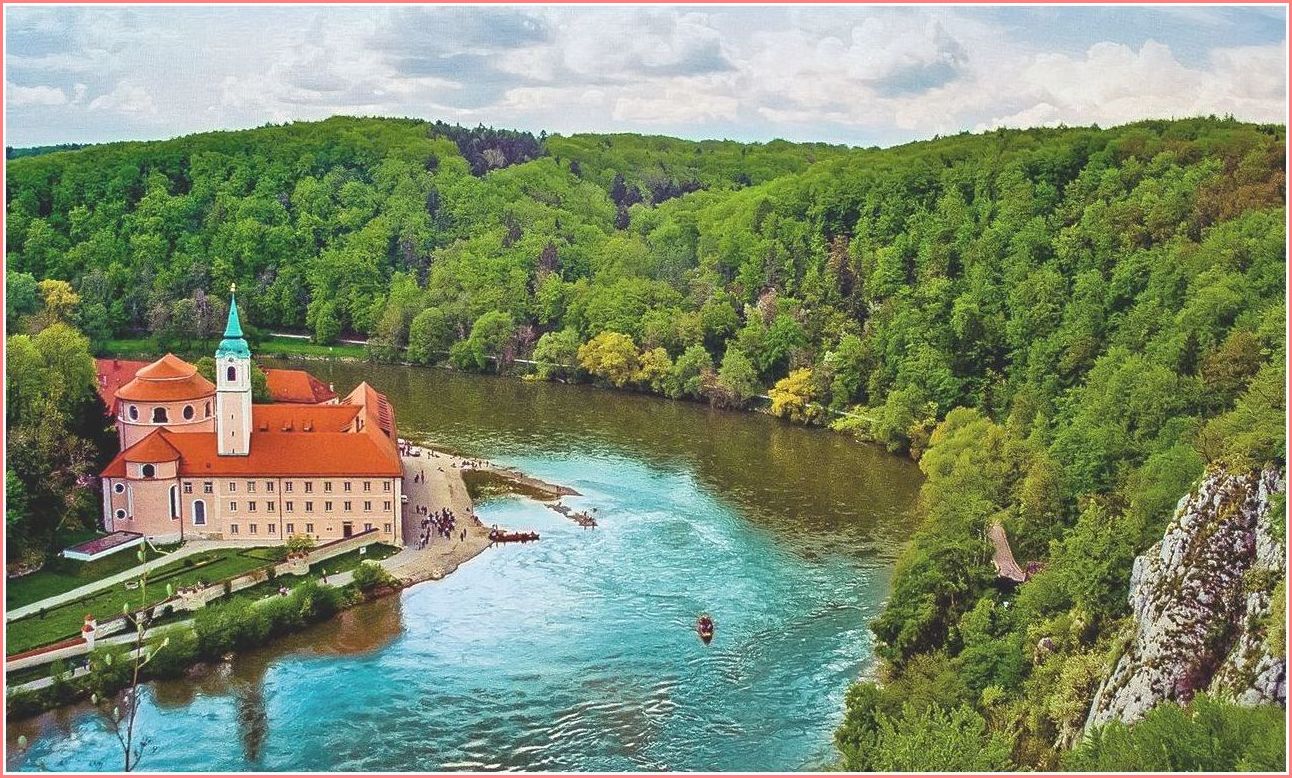
The temperate climate is easy for this country. In most cases, climatic conditions here change quickly and the seasons of the year are characterized by natural weather phenomena. In a large part of the country, forests of deciduous and mixed trees grow; here you can find pines, oaks, beeches and others. The arid areas where plains appear are covered with heather. A small part of the territory is flooded with swamps, and the mountains are famous for their alpine meadows.
Germany for tourists
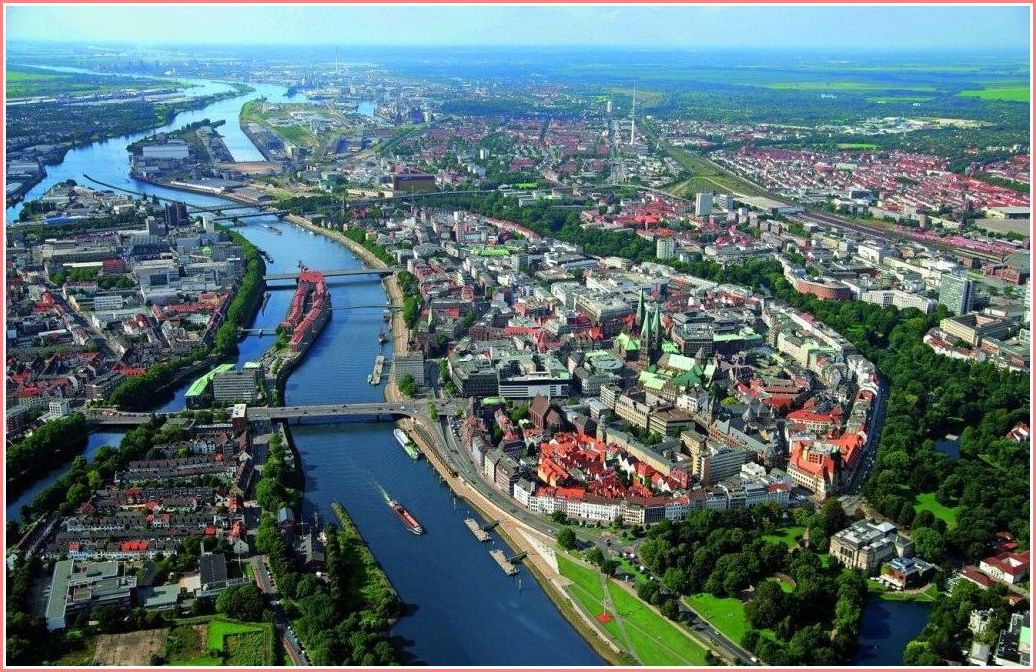
Sights of Germany
Germany is a country that can be visited throughout the year. It is varied and beautiful in any season, be it summer, winter, autumn or spring. In any month of the year, a trip to Germany will leave a lot of impressions in your memory! There are a huge number of different attractions, architectural monuments and unique places. Germanic cities are a special charm of medieval Germany.
Germany and its attractions await you!