Types and classification of pyrotechnic products
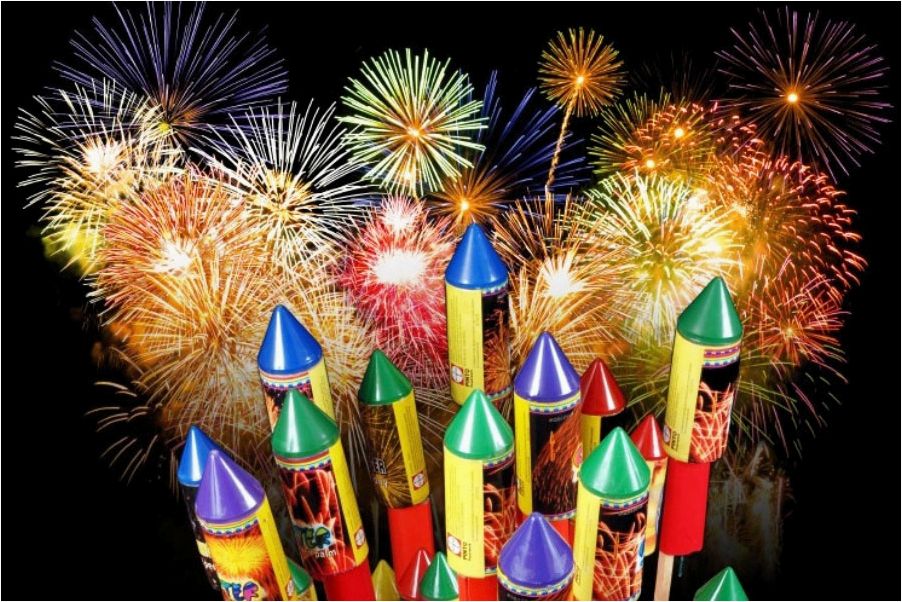
The word “pyrotechnics” itself comes from the Greek words Pyro (fire) and Techne (art, skill, skill) and means the art of controlling fire. Pyrotechnics is one of the technical disciplines and includes the research, production and use of various fire compositions and products. Modern pyrotechnics is part of applied chemistry and deals with the preparation and study of various chemical substances and compositions that, when burned, produce colored lights, smoke and other light and sound effects. These special chemical combinations (which typically involve metallization, that is, one or more metal and alloy powders along with organic and inorganic components) are called optical compounds.
Independent elements of fireworks in the form of balls, cubes and cylinders are made from firework compositions, designed to obtain spectacular effects. Specific devices and devices for design. The effect is achieved through the controlled combustion and explosion of a pyrotechnic composition and is called a pyrotechnic product. Fireworks are divided into two main groups: military fireworks and civilian fireworks. Of the latter, pyrotechnic products of an interesting nature or fireworks play an important role. Fireworks products (German Feuerwerk, Feuor – fire and Werk – business, work) are fireworks that create visual or sound effects used during fireworks. Product type. The term fireworks is used to refer to the spectacle itself and the product that creates that spectacle. According to the law, all pyrotechnic products are divided into five classes according to the degree of potential danger when used.
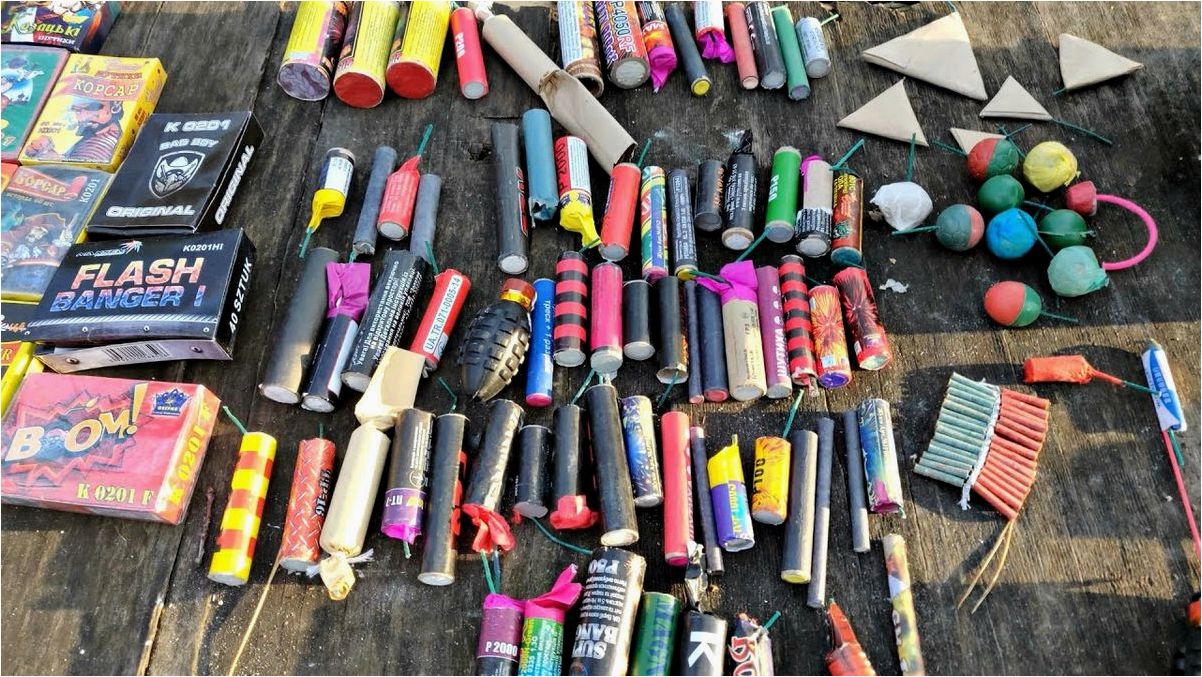
Classification of pyrotechnic products:
- Class I – pyrotechnic products without shock waves or fragments and with a danger zone radius of less than 0. 5 meters within the hazard factor. These are mainly indoor fireworks: firecrackers, sparklers, table fountains;
- Class II – fireworks products in which there are no shock waves or flying fragments during the action of a dangerous factor, that is, the radius of the danger zone is 5 meters or less. These are most fountains, firecrackers and ground-based fireworks;
- III a class – Fireworks products without shock waves or fragments, the radius of the danger zone is no more than 20 meters within the hazard factor. These are fireworks, rockets and festival balloons;
- Class III – pyrotechnic products without shock waves or fragments scattered during an explosion, the radius of the danger zone is no more than 30 meters. These are fireworks, rockets and festival balloons;
- Class IV – fireworks products in which shock waves or fragments do not fly away during the action of a dangerous factor; the radius of the dangerous zone, which is one of the dangerous factors, exceeds 50 meters. These are professional fireworks displays;
- V class. Other pyrotechnic products not included in classes I-IV, hazardous factors and hazardous areas, determined by special technical conditions for the pyrotechnic product.
Depending on the purpose and conditions of use, pyrotechnic products are divided into two groups:
- Pyrotechnic products for household use of classes I-III. Pyrotechnic products are permitted for free sale to the public. Their attractiveness does not require special knowledge and skills, only strict adherence to the requirements for use attached to the product;
- Pyrotechnic products for technical and special purposes, the attractiveness of which requires special knowledge and skills.
Feather beam products are divided into high-rise, park, ground and stage according to their purpose and properties, and according to the time of use into night and day. High-altitude fireworks include products fired from mortars and rockets that explode at altitudes of up to 400 m or more.
The Russian Salute company sells pyrotechnics wholesale , this company has been operating in the pyrotechnic products market since the very beginning of fireworks culture in Russia.
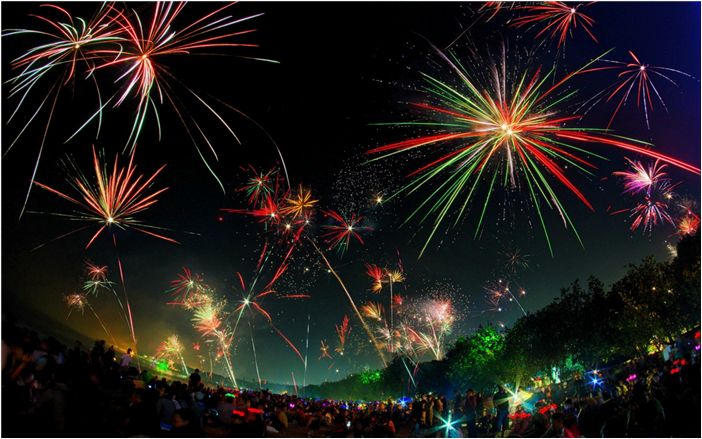
Park fireworks include pyrotechnics (“brushes”), which create spectacular effects by throwing burning fireworks (sparks) from small mortars up to 20 m high. These are products with a burst height of 76 mm up to 120 m and a danger zone radius of up to 80 m, designed to work with fixed or rotating frames (see picture), suspensions, supports or without them. Stage fireworks include products intended for use in closed, semi-closed spaces or open areas. Fireworks that do not produce a lot of smoke are allowed indoors. Harmful combustion products may be used in certain areas due to noise and debris disposal.
Depending on the nature of the effect, fireworks are divided into several types. Some products produce a beautiful heavy light with a soft colored flame (called flame or color plates). Fire products can be lit directly from the hose (fountains, torches, etc.) or produce a flame at a certain height (rockets, Roman candles, fireworks, etc.) Other products provide sparks, flickering, pulsating and other spectacular clusters of lighting effects. They are often referred to as brilliance and power; the third product is designed for noise effects (firecrackers, firecrackers, fires, etc.). Finally, the largest group of modern fireworks are products consisting of a combination of colored plates, sparks and noise.