The Fruit Diet

As we all know, losing weight can be an exhausting and, in some cases, painful process for those who want to shed excess weight.
From time to time, you have to eat foods that don’t make you feel good and don’t bring you the joy of eating. Mealtime instantly turns into a chore.
No matter what a person does, no matter how hard they try to lose even just 1 kg, it’s all in vain.
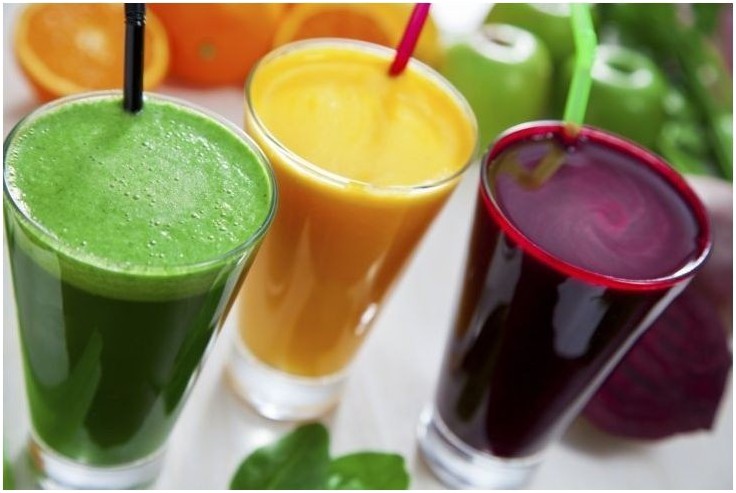
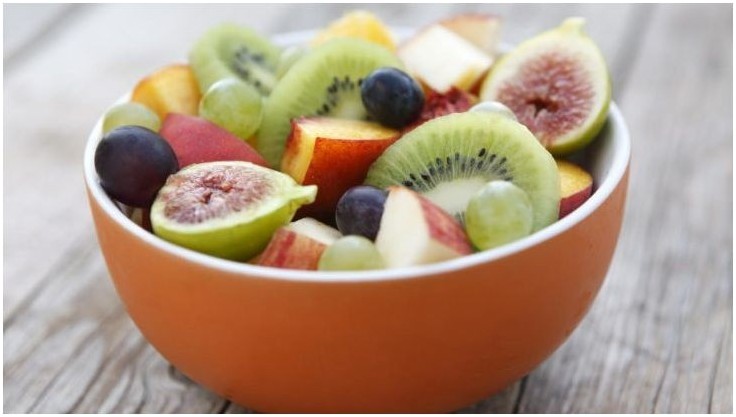
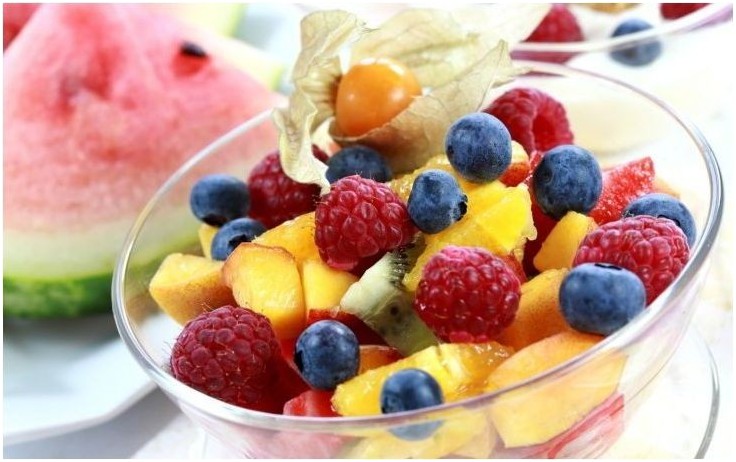
Modern nutritionists have proposed another solution to this problem: the fruit diet for weight loss.

How to Lose Weight the Right Way
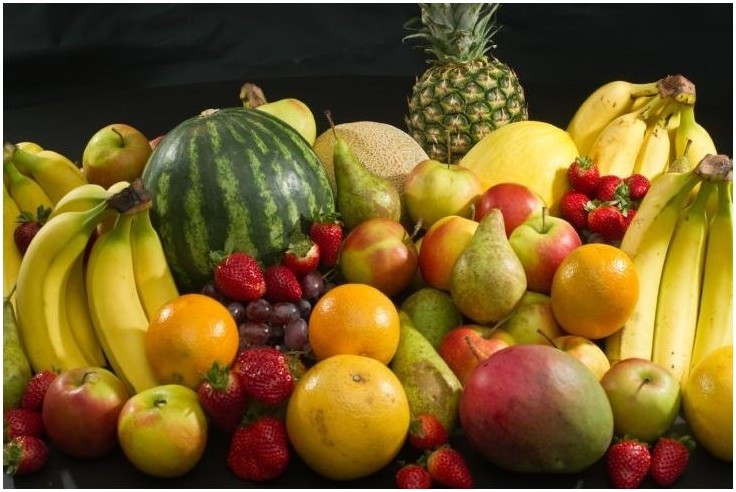
The fruit diet is particularly relevant during the peak harvest season, as fruits are now rich in minerals, trace elements, and vitamins. Here are the key nutritional benefits:
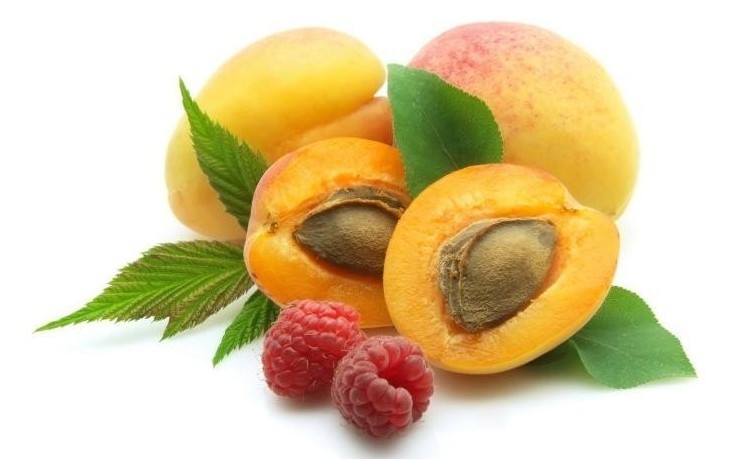
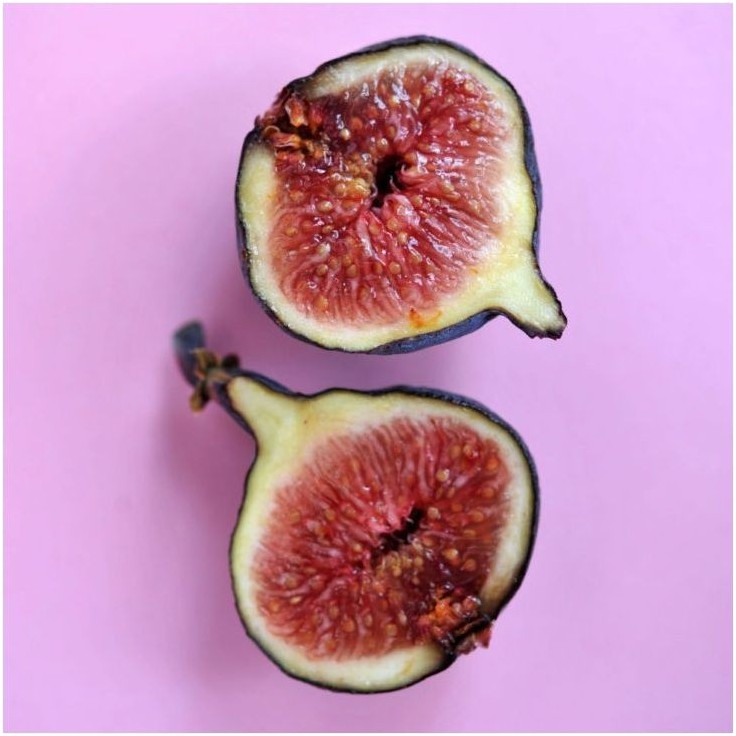
- Iron. It strengthens the body’s overall immune system, lowers blood cholesterol levels, and normalizes blood pressure. It is found in nectarines, mangoes, papayas, and peaches.
- Calcium is found in greater quantities in dried fruits. Hair, teeth, and nails will look much healthier, regaining their natural appearance and color.
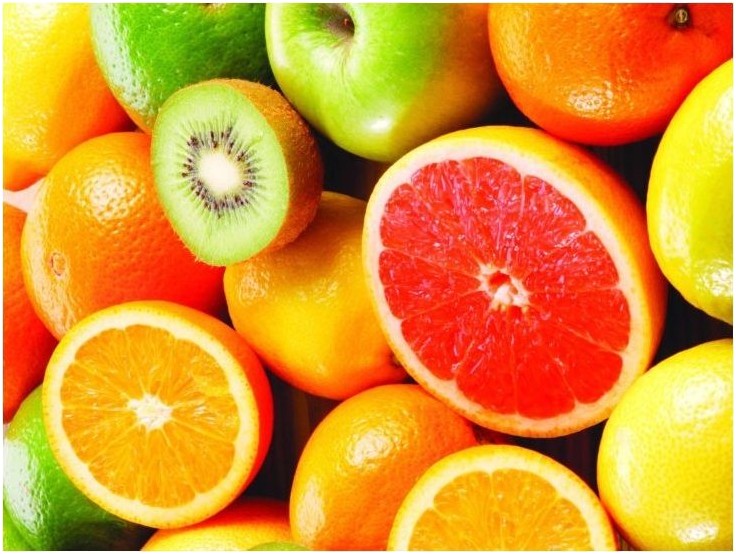
- Ascorbic acid is found in large quantities in oranges, lemons, and grapefruits. It boosts protection and acts as a natural antioxidant for the immune system.
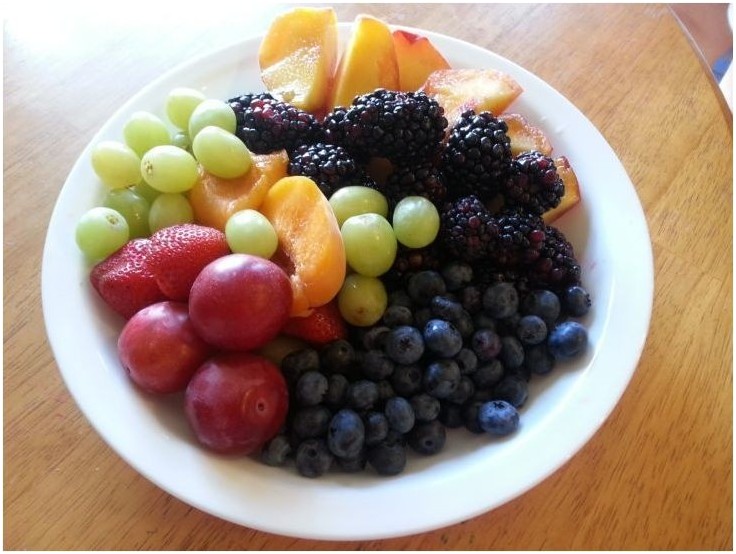
- Berries help regulate the nervous and digestive systems.
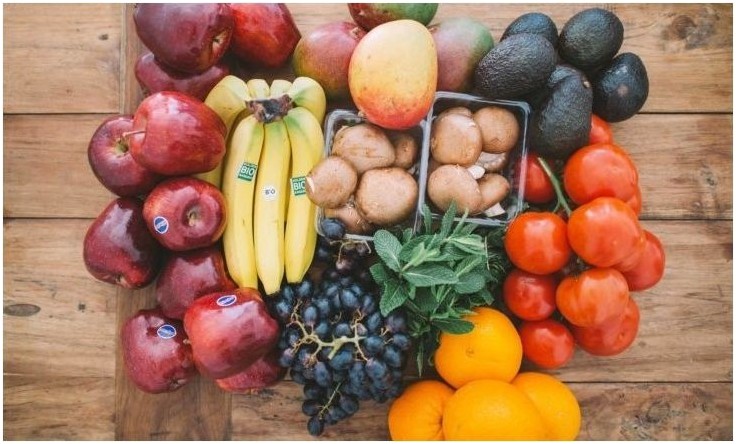
- Bananas, apples, and grapes boost brain activity.
- The liquid found in all these sweet treats helps flush out toxins and maintain hydration, which has a positive effect on weight loss.
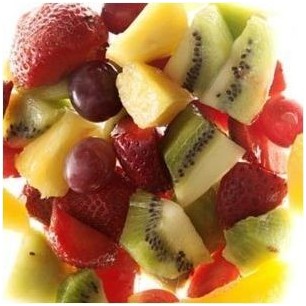
With a sensible approach, a fruit diet can help you lose up to 10 kg in seven days. At first glance, this seems impossible, but after just a couple of days of following the regimen, the results are visible to the naked eye. But that’s not all.
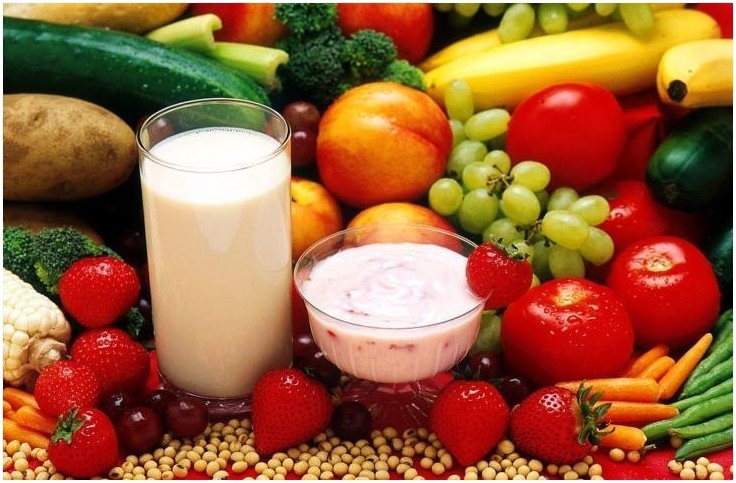
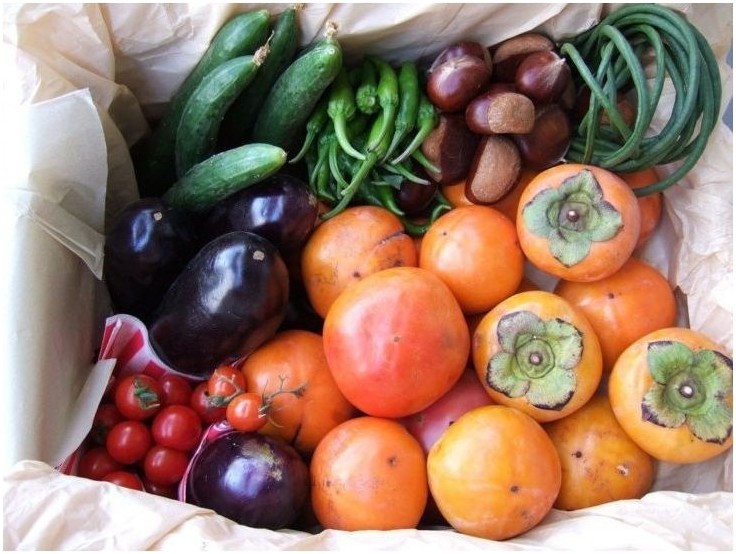
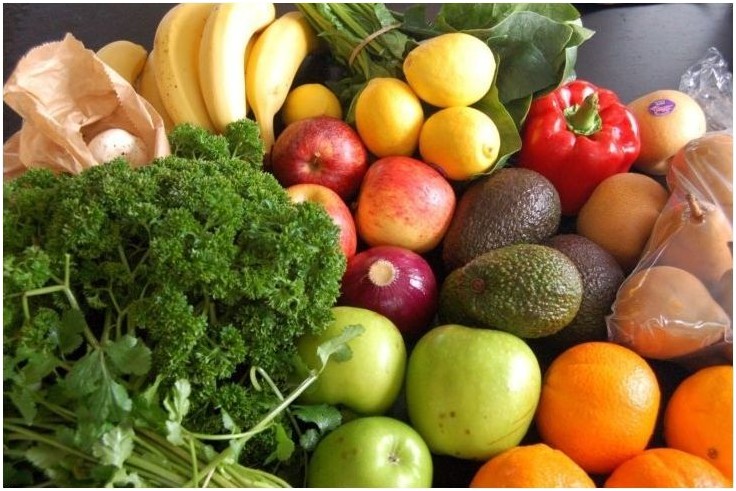
In addition, garden vegetables also contribute to weight loss. Don’t forget about them. And the combination or ratio of fruits and vegetables will accelerate the process and truly impress those who have lost weight.

A fruit and vegetable diet combats fatigue and keeps the body in a good mood at all times. They contain plant-based beta-carotene and fiber, which fills the stomach, creates a feeling of fullness, helps regulate gastrointestinal function, and removes toxins.
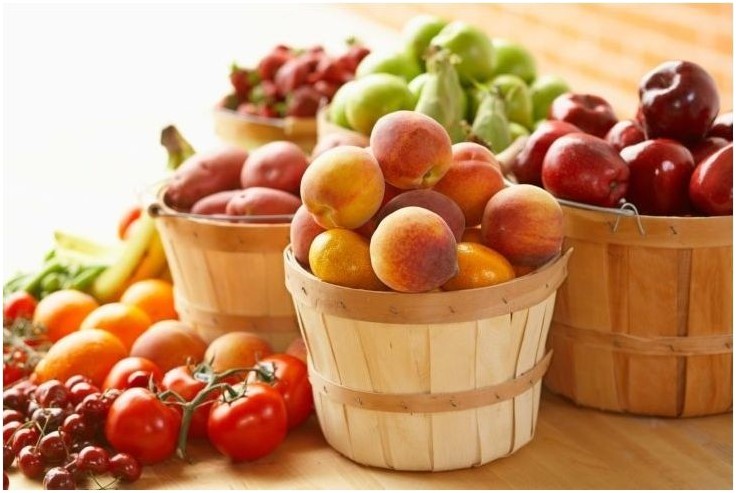
You should transition to this diet gradually and with caution. Eat as you normally would, but replace snacks between main meals with berries and fruits.

We strictly exclude foods that are harmful to health: chips, fast food, processed foods, smoked meats, baked goods, pasta, sauces, marinades, sweets, various beverages (alcohol, soda, coffee, store-bought juices), and tobacco products.

To balance your diet, try creating a simple menu for a fruit diet. You can also combine it with other foods:
- Berries.
- Greens, vegetables, mushrooms.
- Non-starchy grains.
- Whole-grain bread. And if it’s also slightly dried out, that’s even better.
- Lean poultry and beef fillets.
- Lean seafood and river fish.
- Eggs.
- Low-calorie fermented milk products (kefir, ryazhenka, yogurt, cottage cheese).
- Water, herbal tea, freshly squeezed juice.
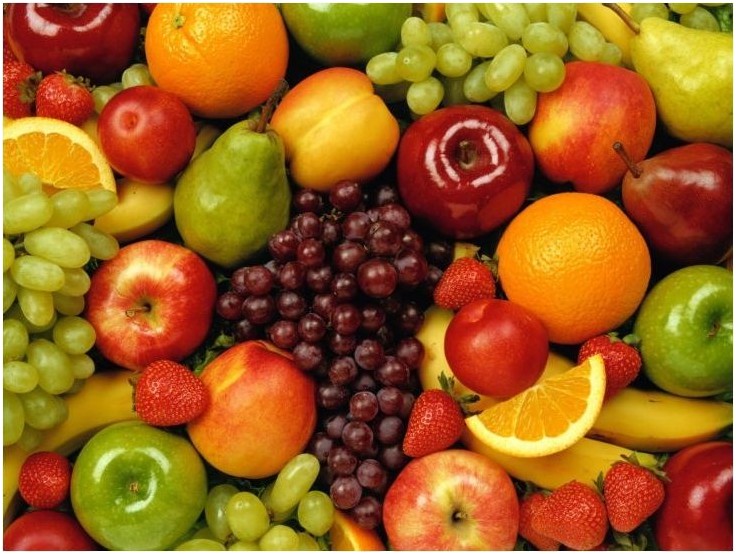
A mono-fruit diet involves consuming one or two types of fruit or berries. You should eat approximately 2 kg per day, divided into 6 snacks, and drink up to 1 liter of water. It is the strictest diet, but the results are impressive: up to four kilograms in 3 days.
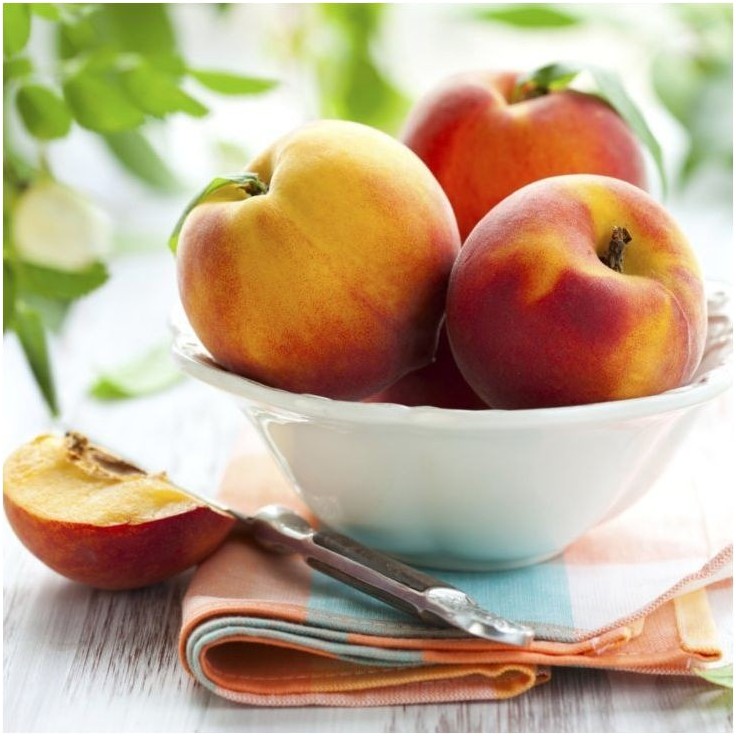
However, it is not recommended to follow this regimen constantly, as it may cause side effects. It is better to incorporate it into your diet as a fasting day twice a week. This will be gentler on your body.
A 7-day mixed fruit diet offers a wider variety of options. It involves combining up to three types of fruit per day (apples + citrus + bananas), alternating them (day 1—apple, day 2—citrus, day 3—peach).
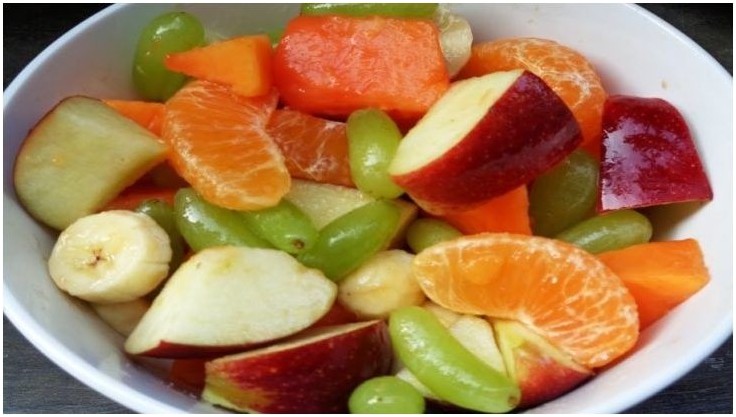
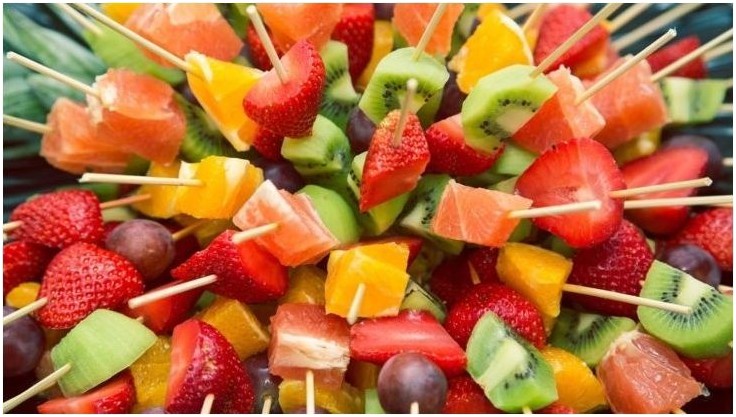
It’s helpful to add variety to the fruit diet by incorporating the mix into salads or purees. Drinks should again consist of plain water and herbal teas, up to 2–3 liters per day. Duration: seven days.

7-Day Fruit Diet (Sample Menu). It can vary greatly depending on the dieter’s preferences:
Breakfast. A mixture of two types of berries with 1 tbsp of low-calorie sour cream. Wash it down with a glass of green tea or freshly squeezed juice. You may have a slice of rye bread + 100 ml of low-calorie yogurt (allowed).
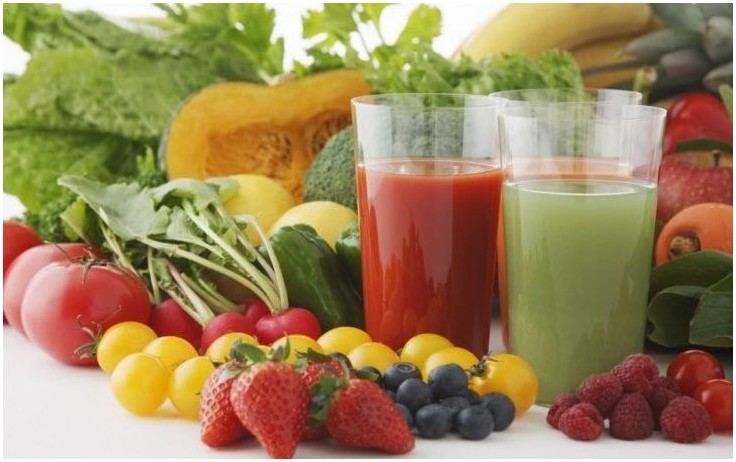
For lunch, you may have a soup made from cauliflower, cheese, and celery stalks. Boil the vegetables, blend them, and add the cheese. You may also have 100 g of boiled chicken breast, 100 g of fruit, and 1 cup of freshly squeezed juice.
Snack. You can make a salad of grated carrots with an apple, drizzled with a few drops of lemon juice.
Dinner. A salad of any vegetables, dressed with low-calorie yogurt + fresh juice.
You should transition into any diet carefully, and transition out of it just as gradually.
The Fruit Diet! Weight Loss and Fruits & Berries—Which Ones and How Much? Fructose and Bodybuilding: Benefits and Risks

Once you’ve determined a weight that’s appropriate for your weight class, gradually introduce chicken eggs, mushrooms, and porridge into your diet, followed by fish, meat, bread, and desserts.

This will prevent your body from entering a state of stress and exacerbating any chronic conditions you may have.
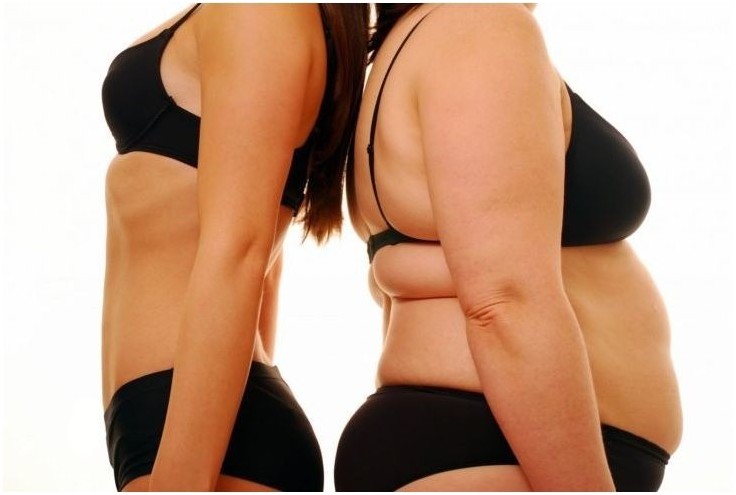
Photos of weight loss results on the fruit diet