The Blood Type Diet
 These days, thanks to the media, a slim, toned body has become the dream of many. Being overweight causes a host of problems for people. And it’s not just about aesthetics. Excess weight is a contributing factor to many diseases. But everyone fights these “enemies” in their own way.
People often try to eat “properly,” driving themselves to the brink of anorexia and nervous breakdowns. But such methods are unlikely to improve your health or beauty.
There are many gentle and painless ways to say goodbye to excess weight. To do this, you need to follow the recommendations of nutritionists and adhere to the basic principles of proper nutrition.
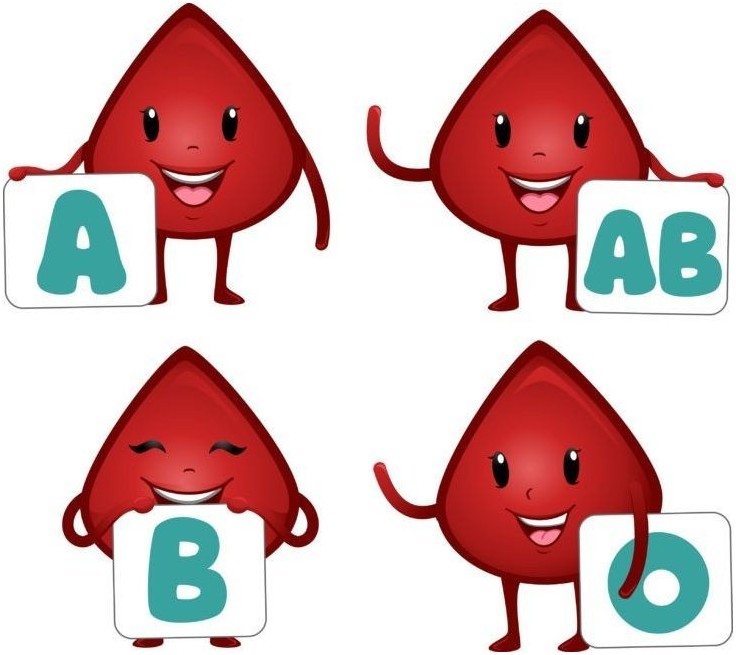
The greatest achievement of modern nutritionists has been the development of a diet based on a person’s blood type. According to this theory, each blood type has its own list of forbidden, neutral, and permitted foods.
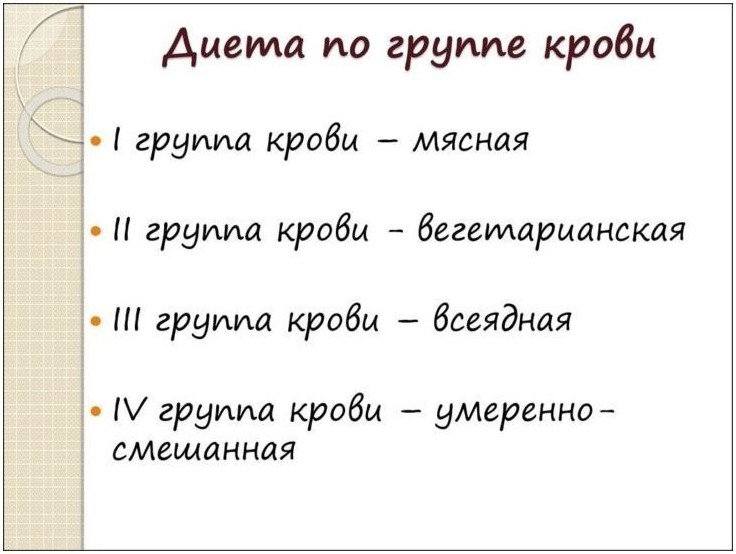
People with one blood type gain a perfect figure from a particular food, while those with another type gain weight rapidly, “like yeast.”
Now there’s no need to meticulously count calories or completely skip dinner. All you need to do is consult the blood type diet chart and eliminate a few problematic items from your usual diet. The excess weight will start to melt away immediately, without harming your health.
The Blood Type Diet for Weight Loss – Food Classification for Each Type
Originally, all inhabitants of our planet had the same blood type (I) and a rather meager diet. Later, as society evolved, humans developed under the influence of natural selection, and new blood types emerged. According to the theory of American scientist Peter D’Adamo, people should consume the types of foods that were relevant to their distant ancestors at the time each currently existing blood type emerged.
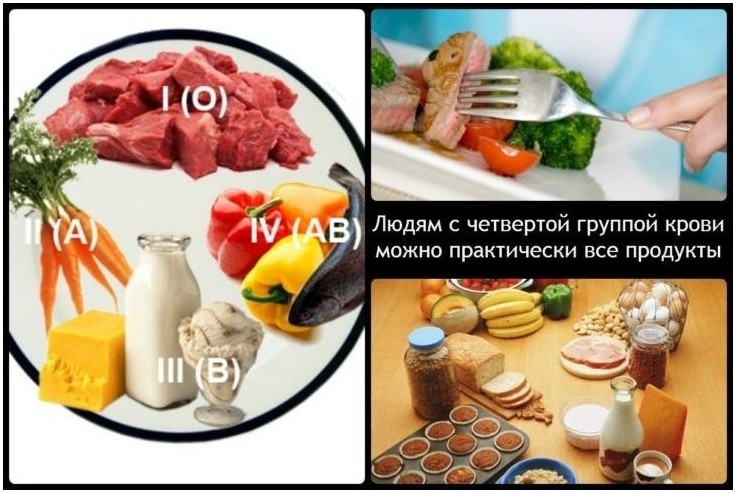
Type I—“Hunters”—is the oldest on the planet. More than a third of the world’s population belongs to this category.
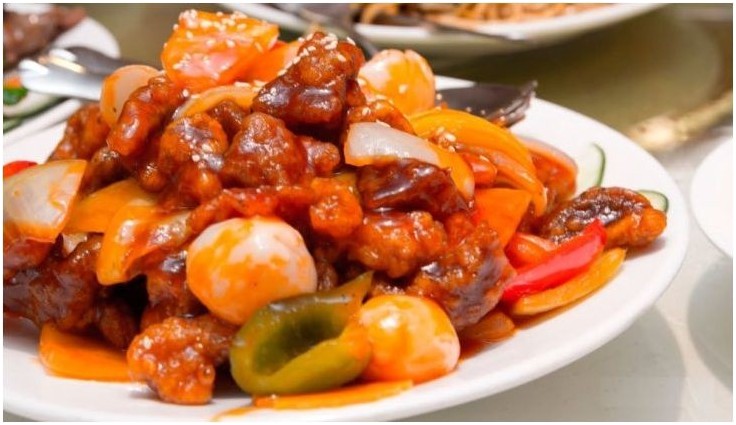
Nutrition Tips for “Hunters” (Type I)
Benefits: The diet of primitive hunters was based on animal protein. For this reason, their modern followers should continue to focus on red meat (lamb or beef), chicken, fatty fish, and seafood.
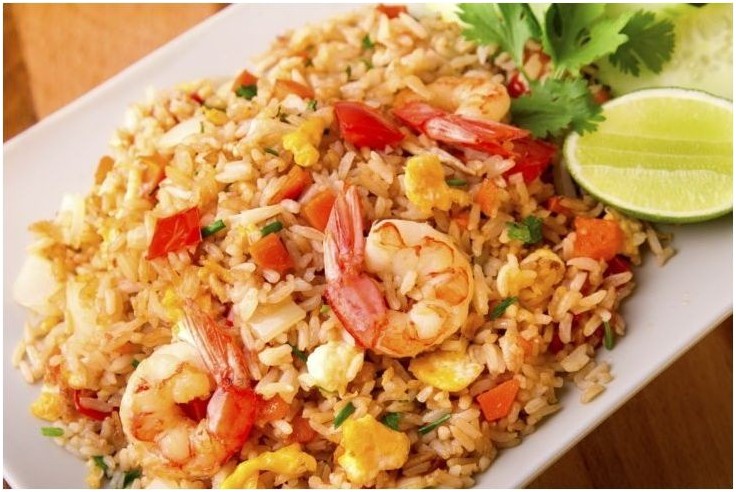
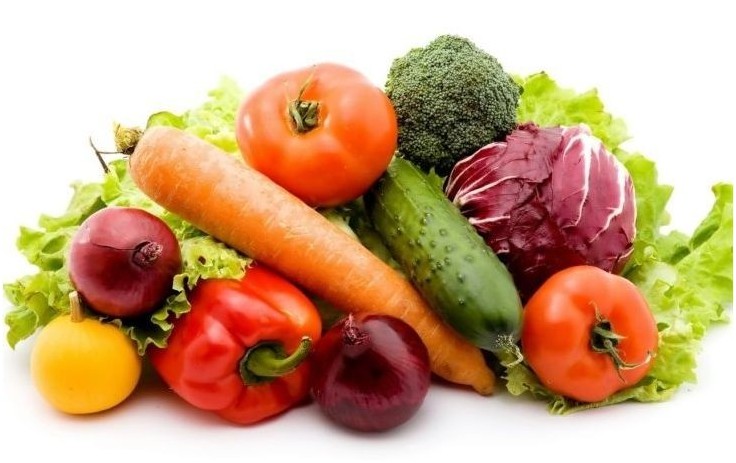
Walnuts, olive oil, and legumes are quite beneficial. When it comes to vegetables, it’s best to choose leafy greens. Be sure to include sweet fruits and rye bread in your diet. Harmful foods: products containing gluten (wheat, oats). Dairy products (except for low-fat varieties). Pickled foods and all foods that cause fermentation. Hunters should avoid pork, potatoes, citrus fruits, and sugar in any form.
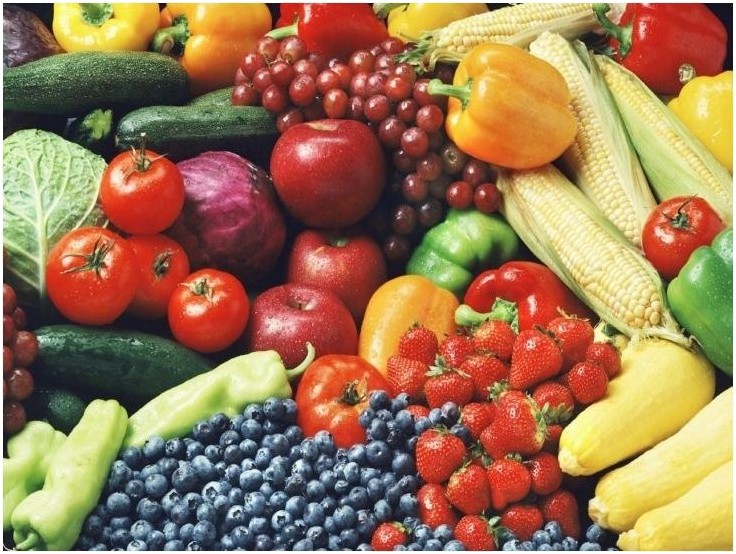
Group II—“Farmers”—formed in the era when our distant ancestors learned to cultivate the land and began to consume its bounty. Due to the predominance of plant-based foods in the diet of this group’s ancestors, their descendants (Group II) tend toward vegetarianism.

Nutrition tips for “farmers” (Group II)
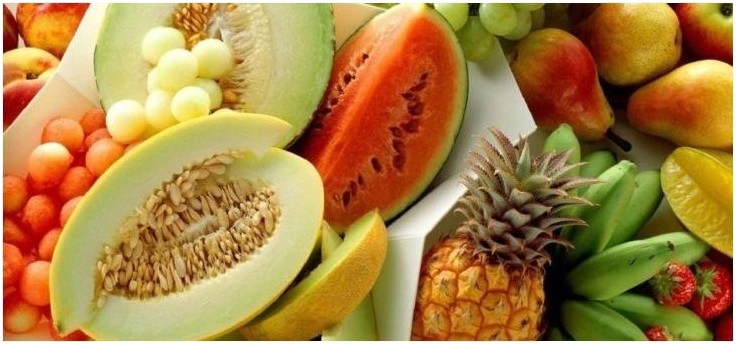
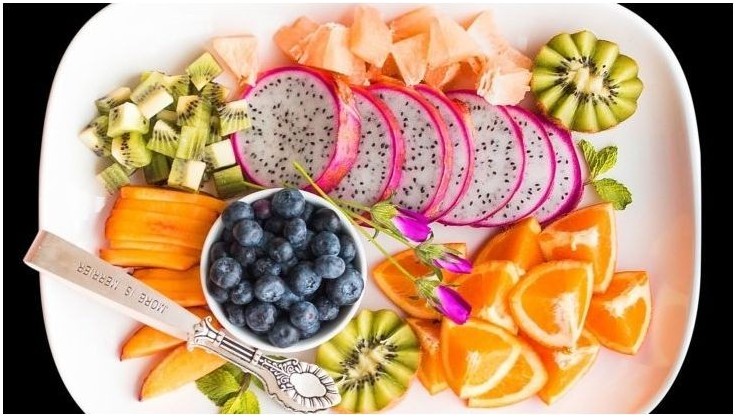
Benefits: Plant-based protein forms the foundation of the diet: grains, soy, and various beans. Feel free to include fish with vegetables (primarily green ones) in your menu. Among fruits, apricots, plums, figs, and pineapples are preferred.
Harm: Meat significantly slows down the metabolism of agriculturalists, so it is best to avoid it entirely. It is also advisable to exclude citrus fruits (including juices), bananas, caviar, seafood, peppers, wheat flour products, and potatoes from the diet. Group III—“Nomads”—emerged during mass population migration. This group is considered the most omnivorous and undemanding. Perhaps for this reason, members of this group rarely need to lose weight, as their weight is, in most cases, within the normal range.
For nomads, the blood type diet will be effective as a method of strengthening the immune system.
Nutrition tips for “nomads” (Group III)
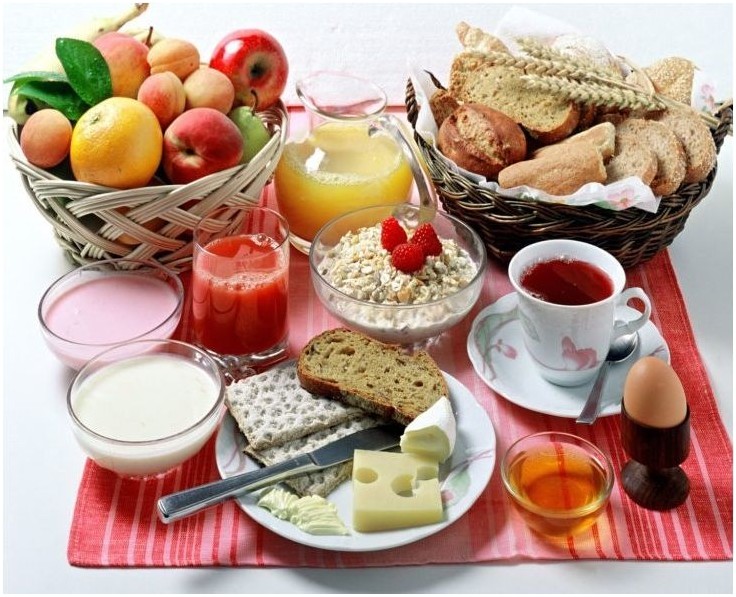
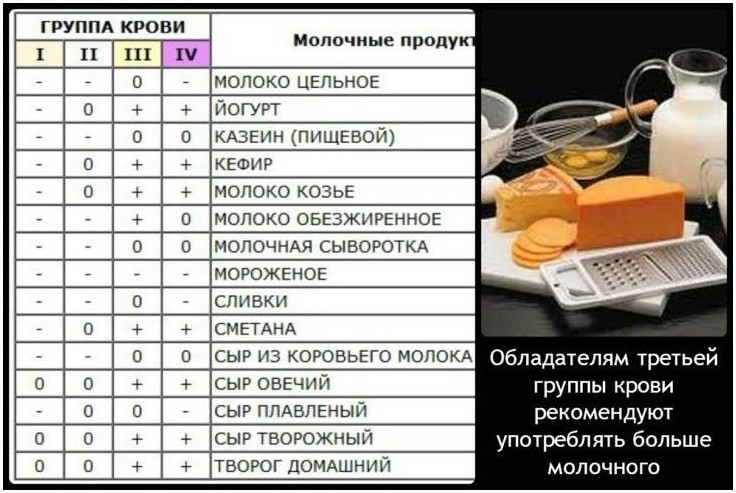
Benefits: Nomads can safely consume both meat and fish (especially seafood). They can eat almost all grains, eggs, most fruits and vegetables, and various dairy products.
Drawbacks: Nomads should reduce their consumption of pork, corn, buckwheat, wheat, and wheat flour products. Tomatoes, olives, and pumpkin should be excluded from the vegetable menu.
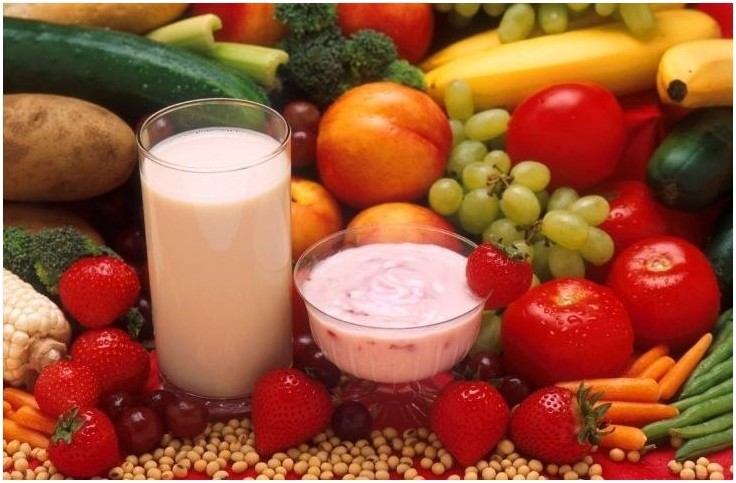
IV (Mixed) – The “combined type” represents the youngest and “freshest” blood on the planet. It emerged relatively recently (about 15 centuries ago) as a result of the combination of Groups I and II, incorporating both the strengths and weaknesses of its prototypes.
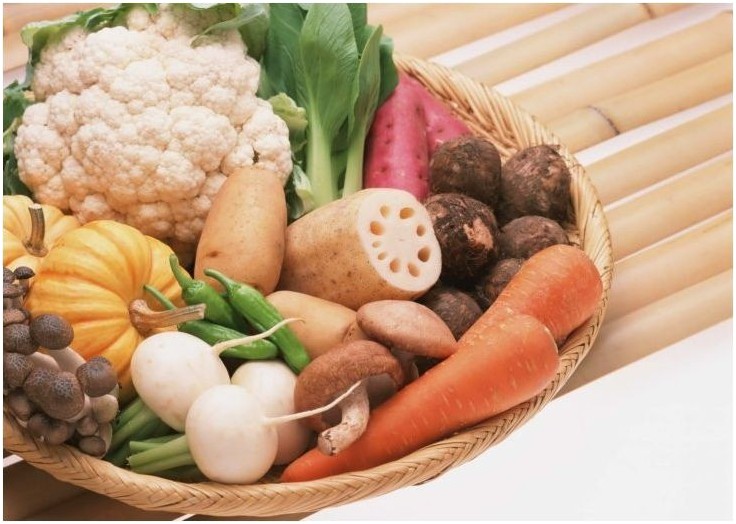
This is the rarest blood type on the planet—no more than 7% of people have Type IV blood.
Dietary recommendations for the “combination type” (Type IV)
Recommended: soy, fermented milk products, fresh fruits (non-acidic), vegetables. Fish is an essential part of the menu. Limit meat intake (small amounts of turkey, lamb, or rabbit are acceptable).
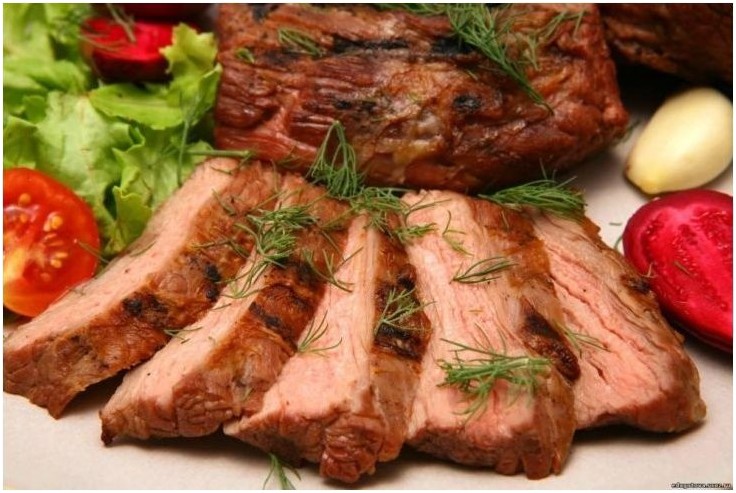
Avoid: pork, beef, and all meat products. Citrus fruits, corn, mushrooms, beans, and buckwheat are prohibited for people with a mixed blood type. We recommend consuming seafood very rarely.
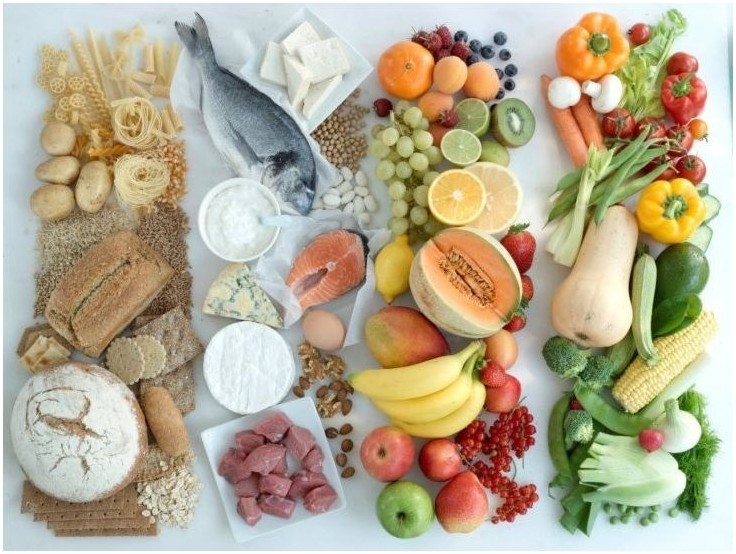
The Blood Type Diet. How do positive and negative blood types affect dietary recommendations?
86% of the world’s population has a positive Rh factor. According to the theory of Dr. D’Adamo, who outlined the rules of the blood type diet, a person’s Rh factor does not affect how food is digested.
This means that when choosing a blood type diet, you should rely solely on the numerical designation of your blood type.
Sample dishes and sample menus for the blood type diet
To make the start toward your goal easy and fast, we’ve created sample meal plans based on the unique characteristics of each blood type.
Blood Type Diet. Diet menus for each blood type
- Breakfast: a hard-boiled egg, a bunch of white grapes
- Snack 1 – fresh fruit or vegetable juice
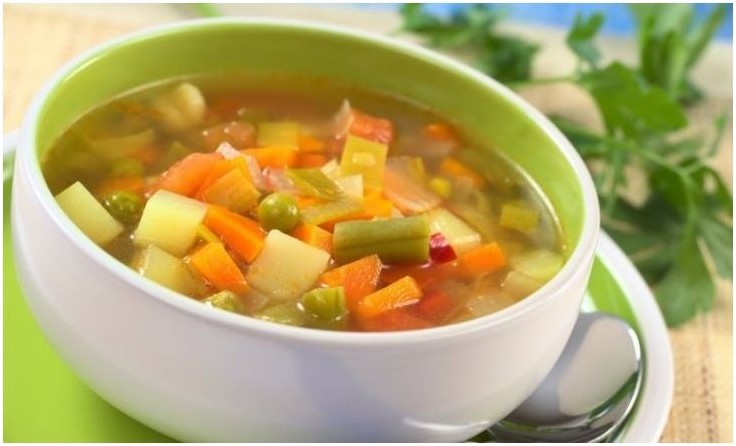
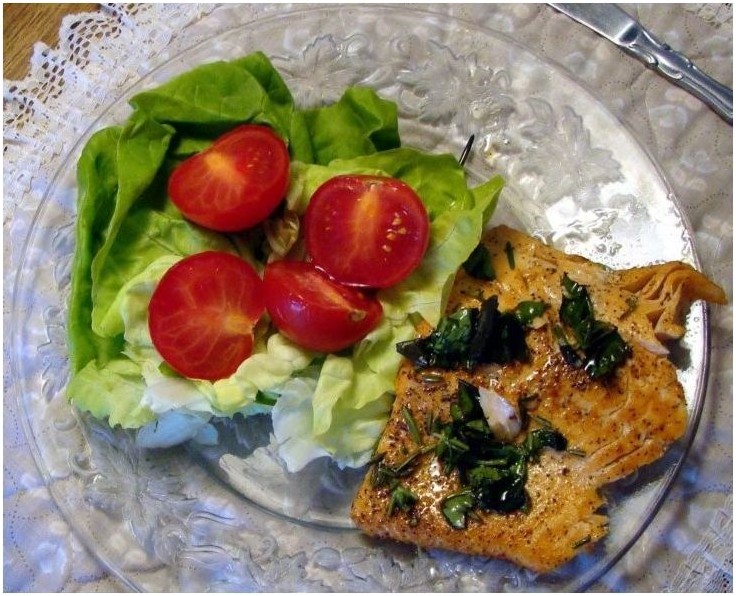
- Lunch – vegetable broth, baked cod with sautéed vegetables
- Snack 2 – a green apple
- Dinner: fried offal (liver, heart, tripe), beet salad

Diet menu for blood type 2
- Breakfast: apricot, whole-grain bread with hard cheese
- Snack 1: fresh carrot juice
- Lunch: red bean soup, buckwheat porridge
- Snack 2 – fermented baked milk
- Dinner – seafood cocktail, cottage cheese with sour cream

Diet menu for blood type 3
- Breakfast – hard-boiled egg, slice of rye bread with butter
- Snack 1 – grape juice
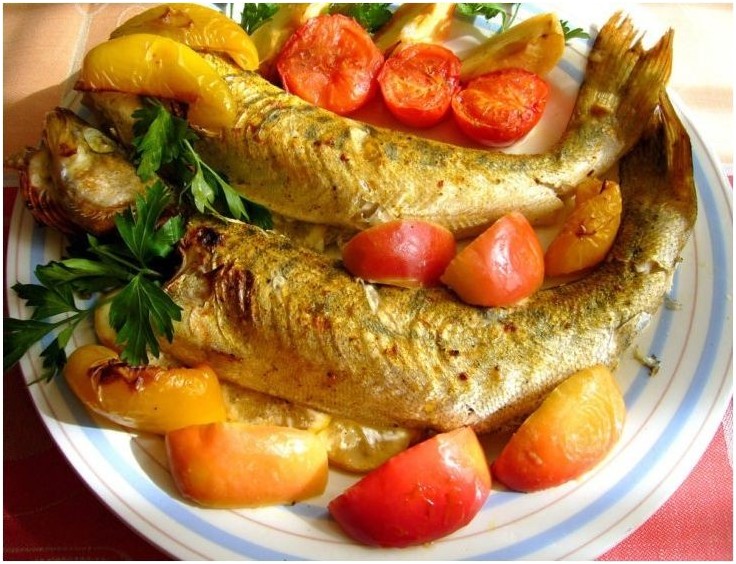
- Lunch – light chicken broth with croutons, trout with zucchini
- Snack 2 – unsweetened yogurt
- Dinner – pan-fried liver with an omelet, crab salad
Diet menu for blood type 4
- Breakfast – prunes, strawberries, a piece of soft cheese
- Snack 1 – a handful of nuts
- Lunch – pureed spinach soup, salmon with rice
- Snack 2 – grapes
- Dinner – braised rabbit, beets with garlic
Blood Type Diet – General Recommendations
To achieve significant results on the blood type diet, follow the recommendations below:
Avoid foods that are harmful to everyone! No one has ever lost weight from fast food, soda, sweets, and pastries.
These categories are excluded from the lists of permitted foods for all blood types. Give them up, and before long you’ll feel your body becoming lighter.
Combine your diet with physical activity. Any diet will be much more effective if you exercise regularly. It’s much easier for the body to convert fat into muscle than to get rid of it entirely. A half-hour jog or workout will boost your energy and help you burn off excess calories.
Eat foods that are genetically suited to you. The foundations of healthy eating are encoded in human genes.
There’s no need to count calories—eat until you’re full, but only foods that are suitable for your blood type.
Photos of weight loss results on the blood type diet