How can minibus interior refurbishment improve the comfort and functionality of your vehicle?

Many minibus owners, for various reasons, want to change the interior of their vehicles. This could be due to a desire to increase passenger comfort, install additional equipment for business needs, or simply update an outdated design.
Article Contents:
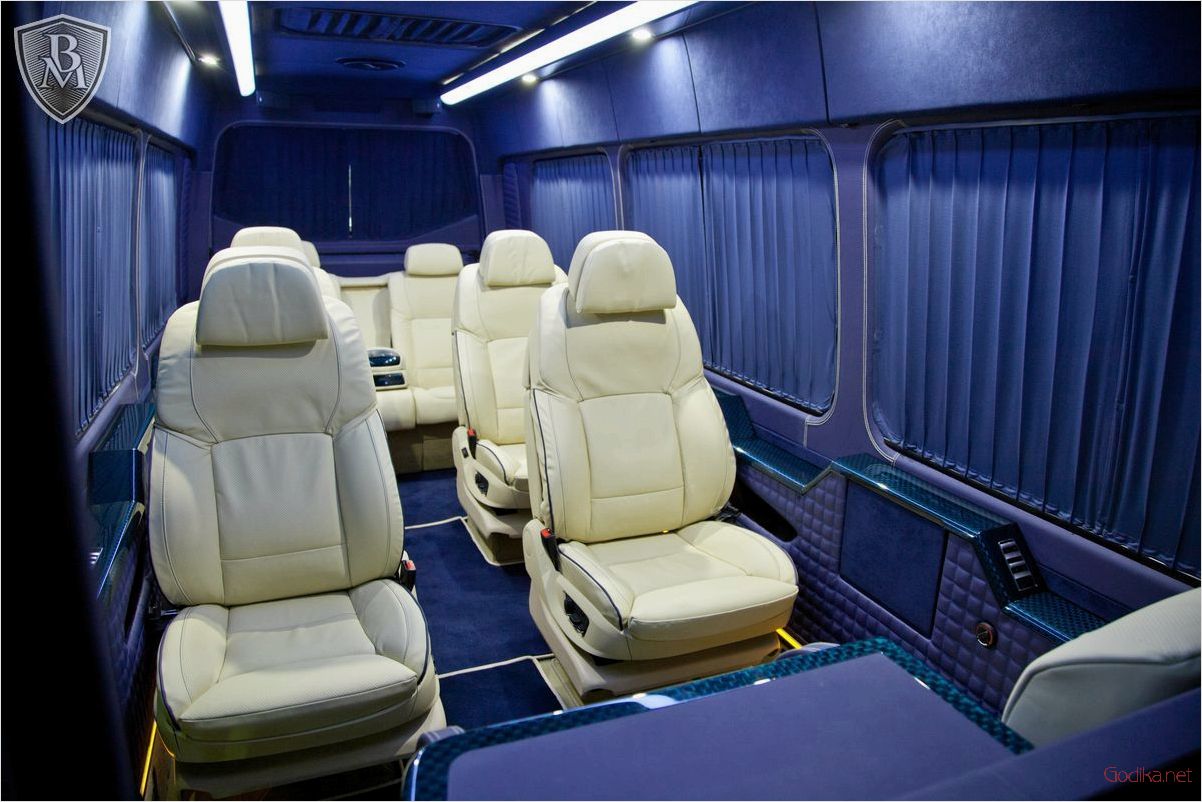
Minibus refurbishment is a process that involves a full or partial analysis of the vehicle’s interior and key features. This process not only improves the interior space but also enhances its functionality.
Thus, minibus refurbishment is one of the most popular methods that allows owners to innovate on their long-standing vehicle experience. By undertaking this process, you can become the proud owner of a comfortable and ergonomic bus.
What tasks are solved during refurbishment?
Minibus conversion is the process of modernizing vehicles to adapt them to specific needs. It can be carried out for various reasons and solves a variety of problems. The main ones are:
- Improving passenger comfort and safety. For example, by installing additional airbags, ventilation systems, lighting, and other systems that enhance comfort and safety.
- Increasing load capacity and roominess. This is accomplished by installing new seats or removing some of them, creating a cargo compartment or space for strollers and wheelchairs.
- Adapting buses for various activities. For example, converting minibuses for medical purposes, transporting tourists, or equipping buses for operation during an epidemic.
- Optimizing performance and operation. For example, upgrading the engine or installing new technologies that will save fuel, etc.
These tasks are usually addressed depending on the needs and specific operating conditions of the vehicle.

Who can use minibus conversion services?
Minibus conversion in Moscow is a service that can be used by various categories of clients. Basically these are:

- Individuals who plan to use the minibus as a motor home, for example when traveling or on holiday;
- Companies that use minibuses in their activities, for example, to transport employees or tourist groups;
- Private entrepreneurs who use minibuses to deliver goods or services.
Also, minibus conversion services can be used by people with disabilities who require additional equipment, for example, a wheelchair lift.
Companies providing minibus conversion services are ready to fulfill an individual order for each client, taking into account his needs and preferences.
What amenities can be added to the minibus interior?
Converting a minibus can add comfort and convenience, which is very important for long-distance travel. Here are some ideas on what amenities you can add to the interior of a minibus:
- Comfortable seats: replace standard seats with soft chairs with armrests and the ability to adjust the backrest and height. This will significantly improve the trip and reduce passenger fatigue.
- Air conditioning and heater: The addition of an air conditioning unit will allow passengers to enjoy comfortable temperatures at any time of the year.
- Entertainment systems: Installing a multimedia system such as a DVD player and head-mounted monitors will allow passengers to pass the time unnoticed on a long trip.
- Dining area: installing a folding dining area on top, which will have soft chairs so that passengers can dine on the road or just relax.
- Device Charging Ports: Add USB and electrical ports to charge devices such as phones, tablets, laptops, etc.
What safety devices must be installed in minibuses?
Seat belts. Minibuses must have seat belts in each seat. They will help prevent injuries in accidents and emergency situations.
Airbags. Many minibus manufacturers install airbags for the driver and passengers. This can significantly reduce the risk of serious injury in the event of an accident.

Anti-lock braking system (ABS). ABS allows you to reduce the risk of wheel locking when braking and improve the handling of the minibus. This system becomes especially important in unexpected driving situations.
Electronic Stability Program (ESP). ESP helps prevent the minibus from losing control during high-speed turns and on slippery roads. It automatically corrects the trajectory and allows you to be on the road in difficult conditions.

Tachograph. Minibuses must have a control system for monitoring the speed and duration of driver breaks. This is necessary to reduce driver fatigue and prevent accidents on the road.


