What Is Astigmatism: Causes
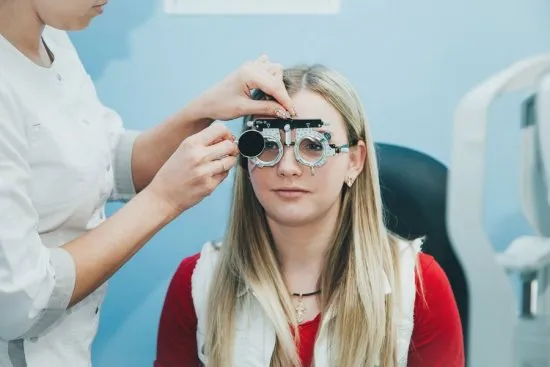
Astigmatism is a refractive error caused by an irregular, non-spherical shape of the lens or cornea, which results in a distorted image and the scattering of light rays on the retina. The patient experiences headaches and a sharp deterioration in vision.
This condition ranks among the top three most common eye disorders. It is significantly more complex than farsightedness and nearsightedness. It can develop in children, adolescents, and adults. This complex condition affects one-third of the world’s population, most often from birth.
Astigmatism is caused by abnormalities in the outer layer of the eyeball—the cornea or the lens. A person with this condition usually has poor vision both at a distance and up close; the outlines of objects appear blurry and indistinct. It often affects both eyes; it is rare for it to occur in only one eye.
People with astigmatism require timely and professional correction, as there is a high risk of complications affecting the eyes, particularly strabismus. Treatment is most effective in the early stages of the condition; the choice of correction depends directly on the stage of the disorder and the circumstances that led to it. For more information on the treatment of astigmatism, visit the website https://www.tarus.ua/lechenie-astigmatisma/ , the “Tarus” laser vision correction center in Ukraine offers the opportunity to undergo a comprehensive eye examination in the shortest possible time.
Once you understand what astigmatism is, it is important to consider the methods of its treatment. It is crucial to note that all advanced treatment methods are performed exclusively after completing a computer simulation of the eye’s condition; therefore, there are cases where rapid intervention can lead to negative outcomes.
Mechanism of the Disease’s Development
Visual images are perceived by the patient through the cornea and the lens. In a normal state, they have a smooth spherical surface, which allows light rays to converge at a single point. As a result, the visible object is perceived as sharp and clear, without any blurred spots.
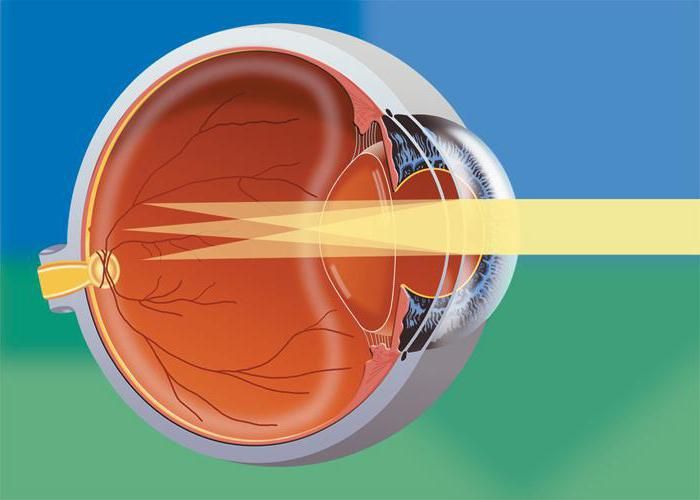
Since, as stated in the definition, this is a disruption of the sphericity of the cornea or lens, the refractive power of light changes, resulting in a blurred image of the object. This occurs because some parts of the object are focused in front of the retina, while others are focused at various points behind it.
Factors contributing to the development of the condition
The causes of astigmatism in adults can be congenital or acquired. In the congenital form, damage to the refractive system occurs as a result of abnormal development of the cornea or lens while the fetus is still in the womb; the acquired form develops as a result of various external factors affecting the visual system.
The causes of acquired astigmatism can vary:
• trauma to the dentofacial system and structural abnormalities—open bite, prognathism, congenital absence of teeth;
• eye injuries resulting in lens subluxation or corneal scarring;
• keratoglobus, keratoconus;
• eye surgery;
• inflammatory processes.
In conclusion
It is important to remember that preventing this serious eye condition is much easier than treating it. To reduce the risk, you should avoid eye injuries, work in a well-lit room, avoid straining your eyes, perform specific eye exercises, and monitor your health.
People with astigmatism experience significant discomfort. They are unable to see the world around them clearly, and find it quite difficult to work on a computer, watch TV, or read printed material.
Regular visits to an ophthalmologist are the key to prevention. Prevention is the best way to avoid the onset and progression of astigmatism.