How to choose motor oil for a car
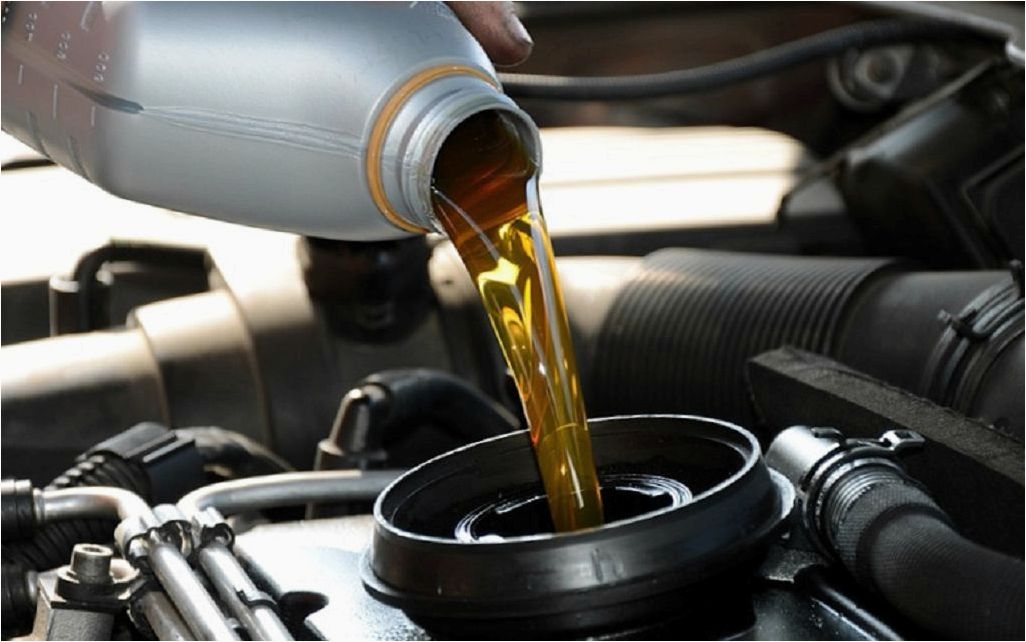
In order for the machine to work for a long time and delight you with impeccable operation, it is necessary to promptly replace process water and other consumables. We will tell you how to choose oil for a car engine.
Contents of the article:
Types and characteristics of motor oils
Production technology

- The mineral water is obtained during the distillation of fuel oil. They are the most profitable, but their characteristics are unstable. At high temperatures, active drugs quickly burn out, as a result of which lubricants have to be replaced 2 times more often;
- Hydrocracking oils are produced by refining crude oil, breaking down heavy molecules and saturating the purchased drugs with hydrogen. They combine affordable cost with good anti-wear and anti-corrosion properties. Their disadvantage is their short service life, slightly longer than that of mineral ones;
- Synthetic ones are produced through the deepest processing of petroleum products. They are based on polyalphaolefins and solid esters. By selecting suitable combinations of active components, chemists achieve the appropriate properties. Synthetic oils are more expensive, but they last longer than others, protect the engine from wear, wash away dirt and withstand sudden temperature changes;
- Semi-synthetic ones are obtained by mixing mineral and synthetic substances. They are considered the “golden mean” for most middle and economy class cars with a relatively unpretentious engine system. Semi-synthetic ones are more profitable than pure synthetics, but more durable and quieter than mineral ones.
It should also be noted that modifier additives are added to virtually all types of motor oils for vehicles. They reduce friction, improve physiological properties under extreme conditions, inhibit corrosion, and provide other desirable properties. As a result, 2 oils with the same designation have every chance of manifesting themselves differently.
SAE motor oil classification

Developed by the Society of Automotive Engineers. Each product is assigned an index that indicates its viscosity. When testing a standard, its dynamic characteristics are assessed – its ability to remain watery and pumped through the lubrication system at a certain temperature.
Most automobile oils are all-season. According to SAE systematization, they are assigned a double index, for example, 15w40. The 1st part shows dynamic characteristics in winter at low temperatures, the 2nd – the highest in summer. When choosing, focus primarily on winter characteristics:
- 0w – remains watery a t-40°;
- 5w – about t-30°;
- 10w – about t-25°;
- 15w – about t-20°;
- 20w – about t-15°;
- 25w – about t-10°.
It’s much easier to choose oil 5W-30 in accordance with summer characteristics. It is necessary that the 2nd digit be higher than 30. Than any other – 40. So, for example, they make sure that the engine is actually well lubricated during long-term operation in the steam room from June to August.
Oils for toll vehicles, construction, agricultural and special equipment have every chance of working both in summer and winter. Therefore, SAE 10w can only be used in winter, and SAE 40 can only be used in summer.
API motor oil classification
Developed by the American Petroleum Institute. Shows the quality of the lubricant – its ability to delay wear of the car engine.
The API classification divides oils into 3 groups. The letter S classifies compounds for gasoline engines, C for diesel engines. If the index is written as a fraction, then the composition can be poured into any engine, regardless of the type of fuel. Quality is classified by 2 letters, from A (worst) to N (best). For example, SN/CF is very suitable for gasoline engines, but should be used with caution for diesel engines.
The recommended oil type is indicated in the vehicle operating instructions. You can purchase a higher-quality composition, but it is not recommended to lower the bar – engine wear accelerates, performance characteristics decrease, and repair costs increase.
ACEA motor oil classification
Created by the European Association of Automobile Manufacturers – Association des Constracteuis Europeen des Automobiles. Demonstrates the basic qualities and properties of the lubricant.
The oil designation in accordance with this systematization consists of a number and a letter. The number is the degree of property of the lubricant on a scale from 1 to 5. The letter sign indicates the scope of application of the composition:
- A – gasoline engines;
- B – diesel engines;
- C – for cars with an exhaust gas converter;
- E – for trucks and other equipment with extended lubricant replacement intervals.
For example, A4 / B4 oil is suitable for modern gasoline and diesel cars with highly accelerated engines.
Classification of ILSAC motor oils
Prepared by the International Committee for Standardization and Approval of Lubricants. Demonstrates a balance between progressive requirements for efficiency and environmental friendliness.
2 standards apply:
- GF-4 – for atmospheric engines;
- GF-5 – for engines with turbocharging, directed fuel injection and highly efficient exhaust gas converters that meet generally accepted environmental standards Euro 5 and higher.
How to choose the right oil for your car engine?

The best way is to look up the specific lubricant in your service manual. As a rule, car manufacturers cooperate with large oil companies and trust them to develop oils. When buying such a composition, you can be sure that in fact it is 100% consistent with the characteristics of the car.
If there are no specific dates, engine oil can be selected according to SAE, API and ACEA and ILSAC systematization. Favorable classes of lubricants are indicated in the vehicle operating instructions.
Experts who specialize in engine repair recommend changing oils as they wear out. If at first the manufacturer recommended a lubricant with a viscosity of SAE 5w40, then after 150, 000 km it is changed to 10w40. Due to the development of the engine, very watery compounds with good cleaning properties have every chance of accelerating the destruction of parts and shortening the service life of the device. In this case, first of all, you should contact specialists at a dealership or authorized service center who are looking for cheap lubricants.
Popular brands
At the top of the ranking of motor oil manufacturers are Shell, Castrol, Mobil, Elf, Motul and Total. Domestic brands are not far behind them. Experts advise using oils produced by Lukoil, TNK and Gazpromneft.
Common mistakes when choosing engine oil
- The more expensive, the better. It’s important to focus on physiological and chemical properties, not price. For an older car, premium plastic will be more damaging than extremely cheap mineral oil.
- Adding additives. Everything that’s truly necessary is already added to the oil by the manufacturer. Additives were required for the cheapest lubricants produced in the USSR and in the early 1990s. By adding third-party products, you risk ruining a good lubricant.
- Buying seasonal oil. If the SAE classification allows for use only in summer or winter, be prepared to change it at the beginning of each season. If you forget this, the engine will lose power and wear out much faster.
- Buy according to the maintenance intervals. The oil manufacturer has every opportunity to indulge its own preferences and stereotypes. If the packaging says the lubricant needs to be changed every 5, 000 km, do so, ignoring the instructions in the car’s service manual.
- Buy a counterfeit. The more famous the brand, the more counterfeit products are found. Buy lubricants only from reputable stores and service stations. If you encounter a counterfeit, you risk significantly reducing the lifespan of your car.