Zimbabwe
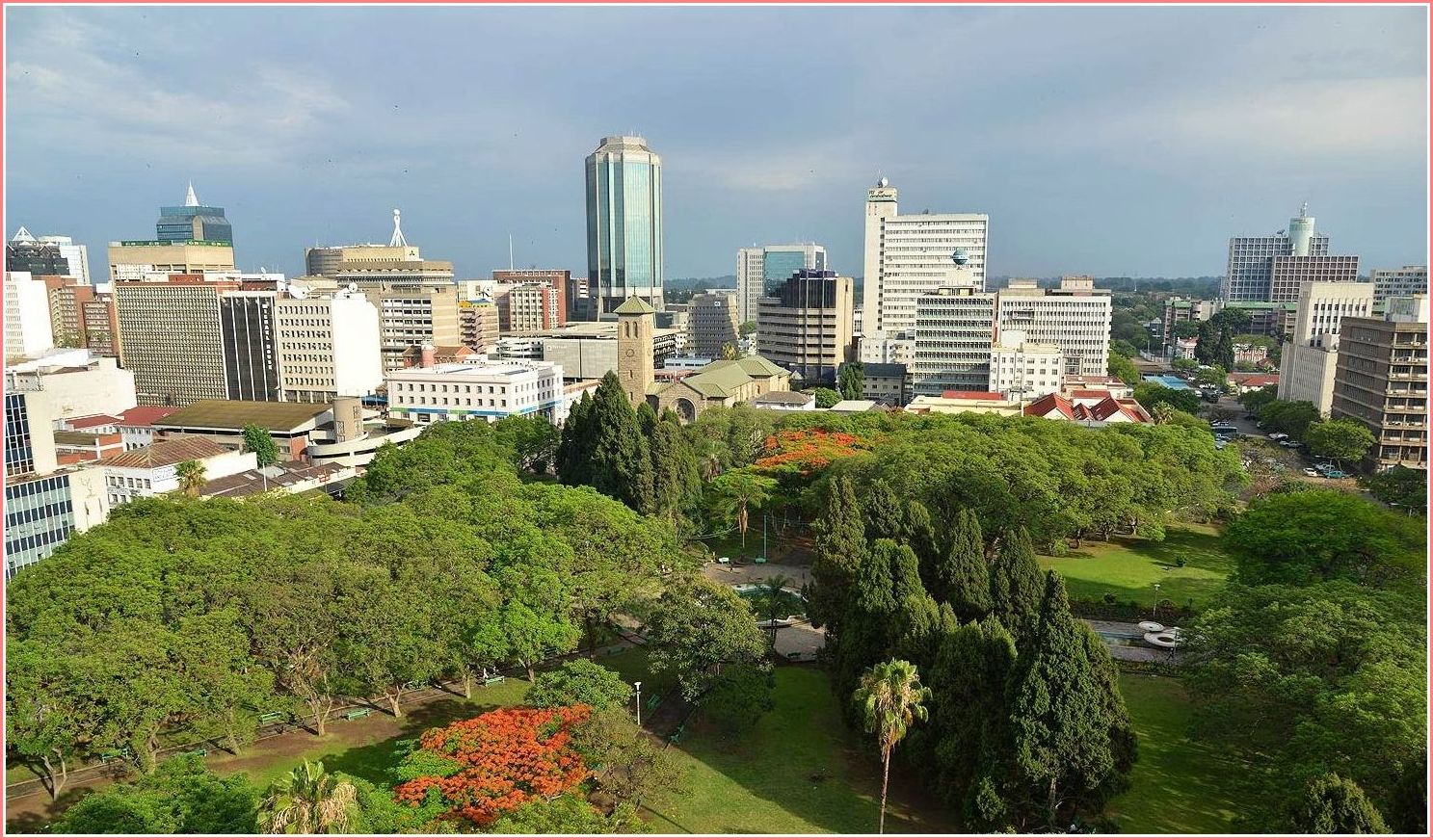
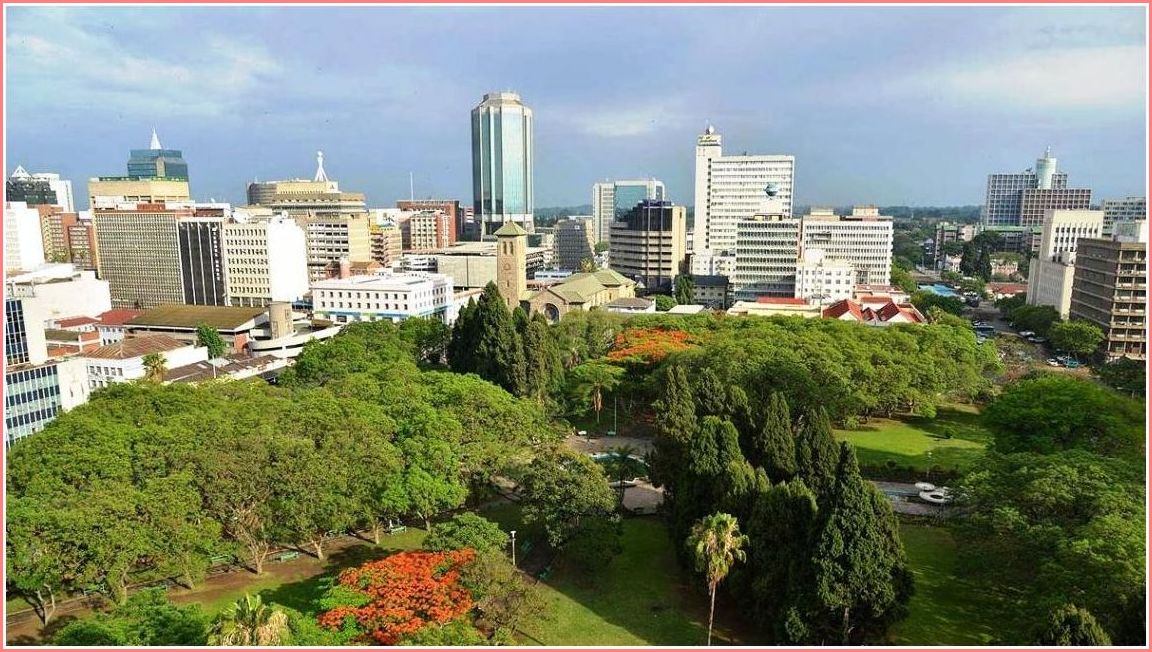
Zimbabwe is officially a republic. The country occupies 390, 600 square kilometers of the undeveloped southern African region, and has a population of 11. 4 million. The population speaks various languages (English, Shona, and Ndebele). Harare is the capital of Zimbabwe. Harare is considered the cultural center and currently the most developed city in the country.
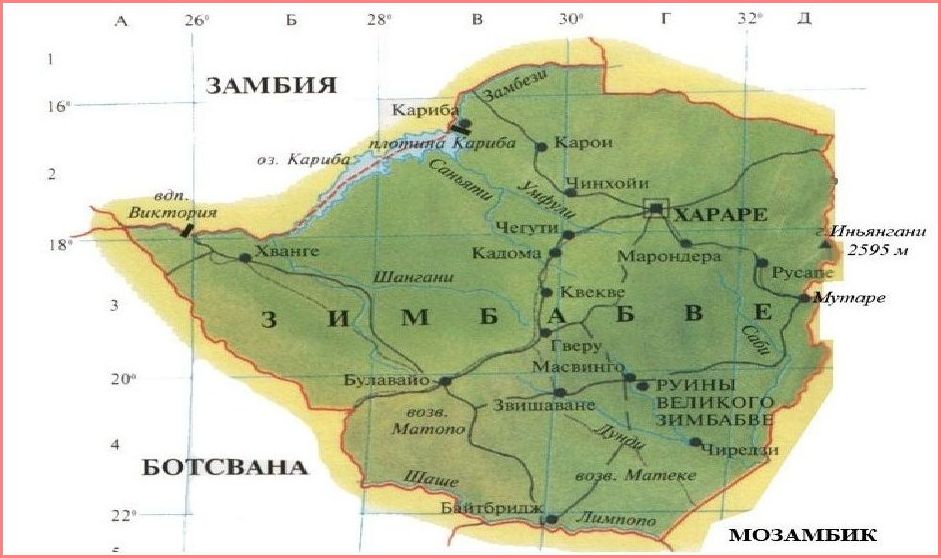
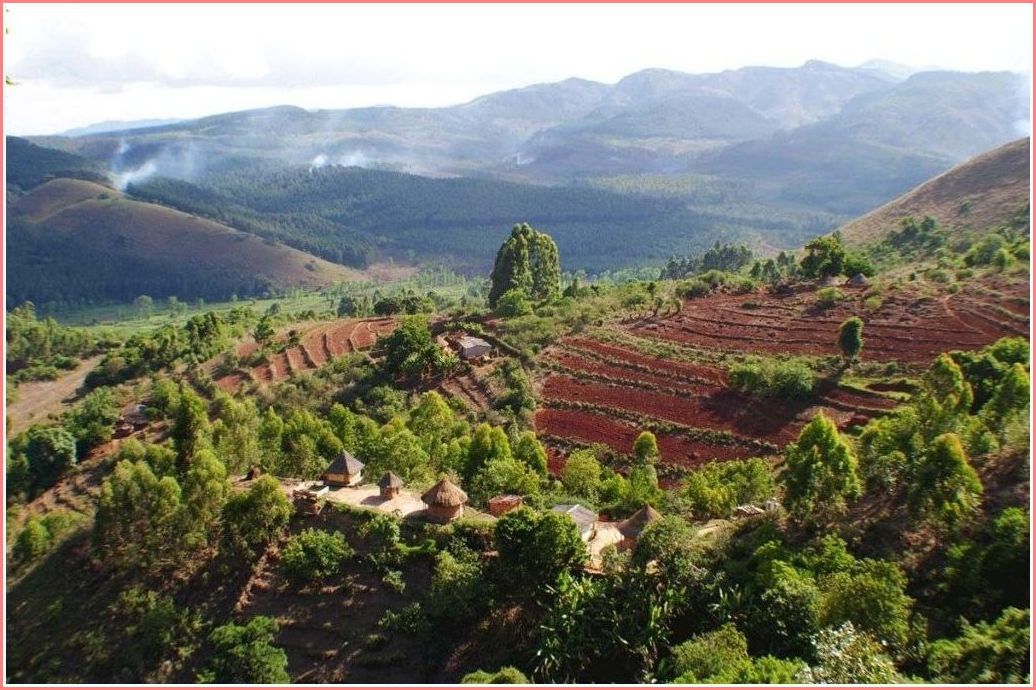
Zimbabwe’s neighbors include Zambia, Mozambique, South Africa, and Botswana. The country’s landscape ranges from vast plateaus to gently rolling ridges in the eastern part. Zimbabwe is located between two rivers: the Limpopo and Zambezi. These two deep rivers, while their tributaries are shallow and dry up during the summer. Zimbabwe on the map
Zimbabwe for tourists
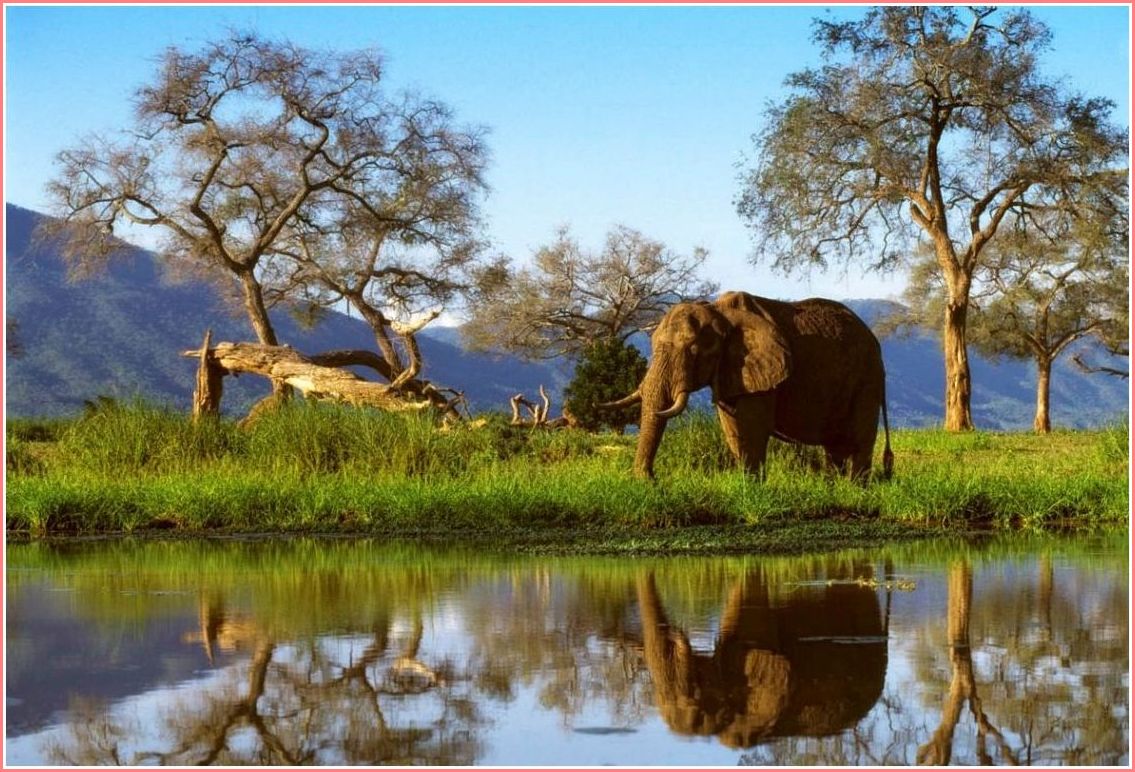
Zimbabwe is considered one of the most convenient countries in Africa for travelers. Despite being landlocked, it’s possible to find other fascinating and varied activities here. Zimbabwe will leave you with unforgettable memories of encountering pristine nature!
History of Zimbabwe
This country was formerly a British colony, and it only became a free republic in 1980. Zimbabwe emerged as the first recognized state around the 11th century and developed even in the pre-colonial period. The ancient peoples who inhabited this country (the Khoisan peoples, also known as Bushmen) were gradually displaced by second-generation peoples (modern-day Shona). Zimbabwe’s lands were conquered by other tribes and Europeans from Africa. In the nineteenth century, the country became the British colony of Rhodesia, after which white settlers, who had seized the fertile African lands, moved in.
Climate and Weather of Zimbabwe
Zimbabwe has a mixed climate: subequatorial in the northern part of the country and tropical in the southern and central regions. Elevation plays a significant role. At elevations above 1, 500 meters, especially in winter, night frosts are common, and summer temperatures range from 26-28°C. On average, annual rainfall in the eastern highlands is 2, 000 mm, and 1, 000 mm on the central plateau. The summer months are considered the warmest, and the end of winter is marked by a sharp rise in air temperatures.
Culinary Traditions and Culture of Zimbabwe
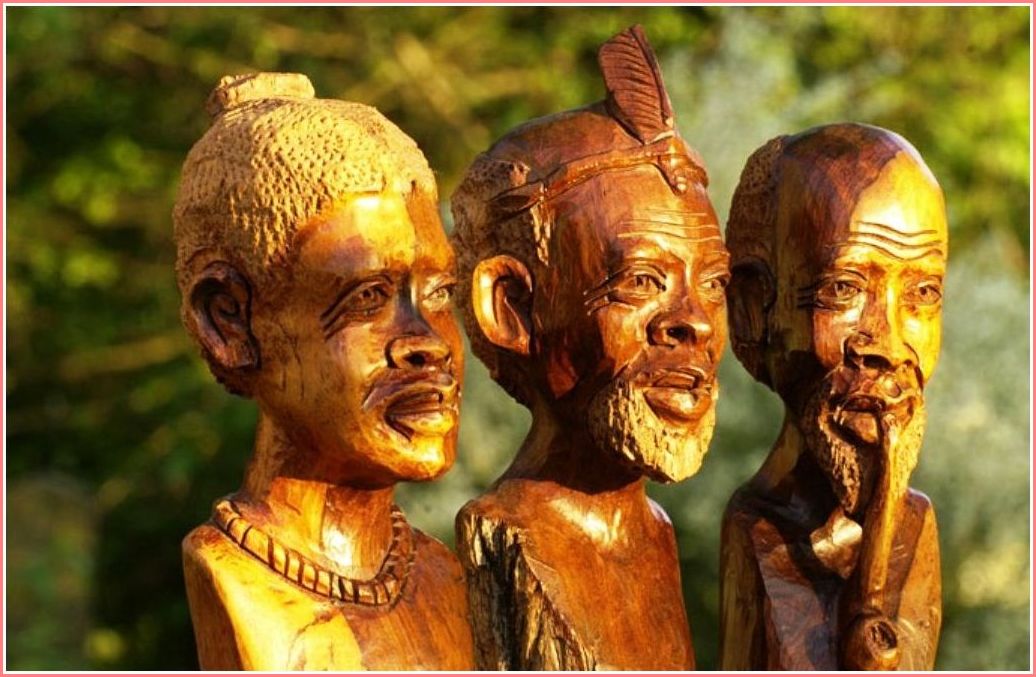
The unique carvings and local wood weaving are varied and considered to be of great skill. Rock paintings of the Bushmen people are one of the most ancient elements of local culture. As a result of historical events, extraordinary literature appeared in the country. The culinary traditions of Eastern and Southern Africa are common in this country. Corn puree is served here along with beans, vegetables and stewed greens. The meat is grilled directly over coals in the form of nyama kebabs. And dried beef, steaks and sausages came into cooking along with the Boers and the British.
Sights of Zimbabwe
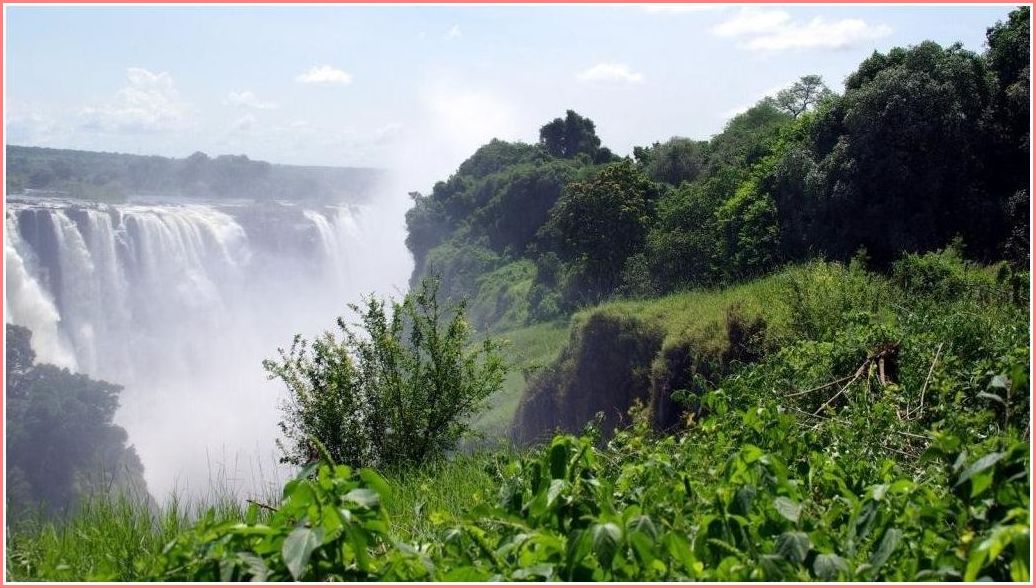
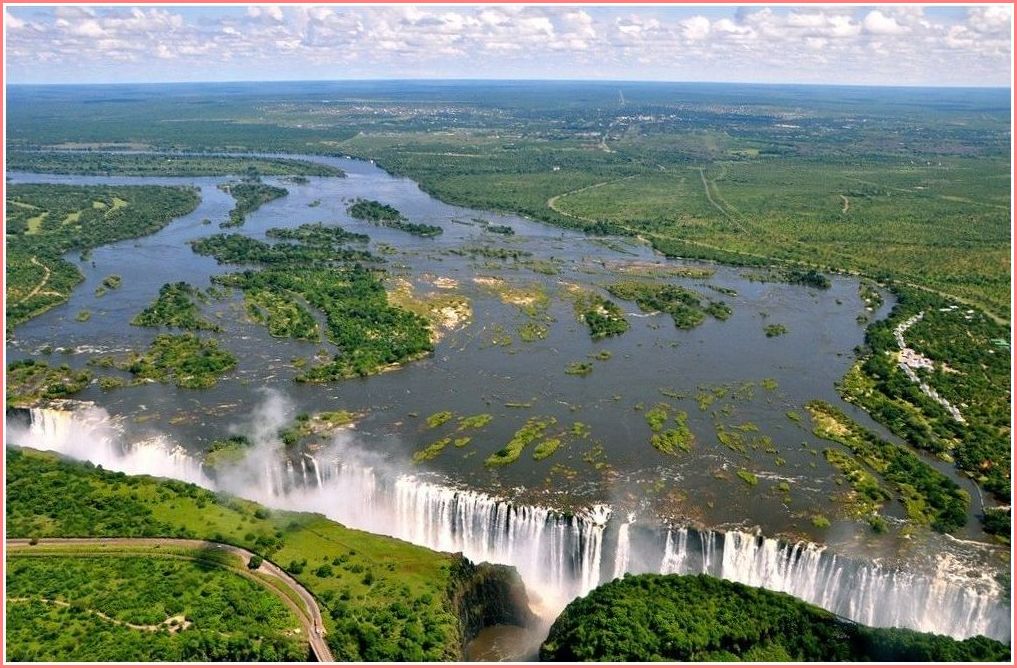
If a tourist is ready for extreme sensations, then Zimbabwe will absolutely give them. Night safaris, crazy jeep races, aerial travel by helicopter over the beautiful and majestic Victoria Falls – all this will give you an unforgettable experience!
Zimbabwe is an interesting country with fabulously beautiful nature. And the capital Harare will leave indelible impressions from a visit to the modern Queen Victoria Museum, the gallery, the National Review Park and the caves from Kopje Hill.
ZIMBABWE. Ten INTERESTING FACTS ABOUT ZIMBABWE
Tails and Heads. Around the world – Harare. Zimbabwe (1080p HD)