Two-stage cylindrical gearboxes: design, operating principle, and application
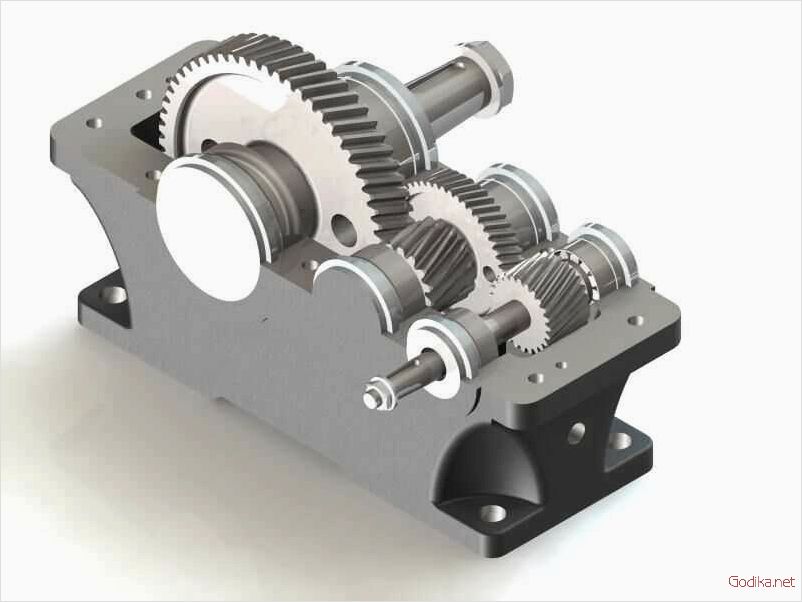
Two-stage cylindrical gearboxes (TS2U, 250) are an important component in industrial automation and mechanical processing. They offer a number of advantages, including high performance, reliability, and a long service life. Their design allows for reduced rotation speed and increased output torque, ensuring more efficient power transmission and improved precision. Contents of the article:
Operating principle of cylindrical two-stage gearboxes
This article discusses the design features of Ts2U, 250 cylindrical two-stage gearboxes, their advantages and applications, as well as the specifics of operation and maintenance. Understanding the characteristics and properties of this type of gearbox will help you make the right decision when selecting equipment for a specific application.
Operating Principle of Ts2U and Ts2U Two-Stage Cylindrical Gearboxes: Design Features
250 and Ts2U: design features
Main design elements of cylindrical two-stage…

It is important to note that for the operation of helical two-stage gearboxes, precise synchronization of all structural elements is necessary. Only with the correct arrangement and the presence of a sufficient number of teeth on each of the wheels can the effective operation of the device be guaranteed.
The 250 and Ts2U gearboxes differ in size and application: the first type is intended for use in small and medium-sized equipment such as horizontal and vertical industries, and the second type is intended for large machines such as electric and steam locomotives.
It is important to consider that a cylindrical two-stage gearbox is a rather complex device. Its correct operation requires special skills and experience, as well as regular maintenance.
Basic design elements of helical two-stage gearboxes
Gear housing
The gearbox housing is the main element of its design. It is designed to protect the internal elements of the gearbox from external factors and ensure their reliable operation. The gearbox housing is made of high-strength materials and can withstand heavy loads that arise during the operation of the gearbox.
Cylindrical gears
Spur gears are the main elements of torque transmission in a gearbox. They consist of two gears with stepped teeth mounted on parallel axes. Spur gears perform the functions of transmitting and converting torque to the gearbox shafts.
Bearings
Bearings are important design elements of helical two-stage gearboxes. They provide support and protection for the rotation axes and prevent wear. Bearings perform the functions of reducing friction and wear during rotation of gearbox elements. The gearboxes use high-strength bearings to ensure long and reliable operation of the gearbox.
Oil pump
The oil pump is an integral element of the design of helical two-stage gearboxes. It serves to supply oil to the gearbox, which provides lubrication and cooling of the internal elements. The oil pump generates the oil pressure necessary for normal operation of the gearbox. Typically, the oil pump is installed in the gearbox housing and operates in stationary mode.
Application of cylindrical two-stage gearboxes in various…
Characteristics
Meaning
| Power | 250 kW |
|---|---|
| Efficiency | at least 95% |
| Number of steps | Gear ratio |
| from 4 to 12 | 2 |
| Application of helical two-stage gearboxes in various fields | Industry |
In industry, helical two-stage gearboxes are widely used in various production chains. They ensure the transmission of rotation from the engine to various mechanisms, which allows you to effectively manage the production process. For example, a gearbox with a gear ratio of 250 can be used to transfer motion from an electric motor to a conveyor or raw material handling equipment.
Transportation
Cylindrical two-stage
Power engineering
are widely used in transport. They are used to transmit motion from the engine to various mechanisms of cars, trucks, tractors and other vehicles. For example, such a gearbox can be used to transmit movement from the engine to the wheels of a car Energy in the energy sector, two-stage spur gearboxes are used to transmit motion from a generator to the turbine rotor of water, thermal and nuclear power plants. This ensures efficient operation of generators and ensures reliable transfer of energy from the generator to consumers. Such a gearbox can have a gear ratio of 250 to increase the torque of the second stage.
Agriculture
In agriculture, two-stage gearboxes are used to transmit movement from the engine to various units. For example, such a gearbox can be used to transmit movement from an electric motor to a grain harvester or to a sprayer for cultivating fields.
Advantages of using cylindrical two-stage…
High Gear Ratio
Helical two-stage gearboxes, such as the 250 and Ts2U models, feature a high gear ratio, allowing for efficient use of motor energy to drive heavy-duty mechanisms.

Stability and durability
Helical two-stage gearboxes are characterized by high stability and durability, making them an ideal choice for use in manufacturing and industrial environments. Mechanisms based on these gearboxes have a long service life and can operate without problems in harsh conditions.
Uniform and smooth operation
Helical two-stage gearboxes are characterized by smooth and smooth operation, a key factor in both productivity and a long service life. As a result, mechanisms based on these gearboxes do not experience significant failures and require no additional repairs or maintenance.
Variety of configurations
Helical two-stage gearboxes are available in a variety of configurations, allowing you to choose the optimal solution for your specific application. Moreover, they are easily integrated into various types of mechanical systems and do not require significant design changes.
Reduced motor load
Helical two-stage gearboxes significantly reduce motor load due to their high gear ratio. This extends motor life and reduces maintenance and repair costs.
Compactness and ergonomics
Helical two-stage gearboxes, such as the 250 and Ts2U models, feature a compact and ergonomic design, allowing for easy installation and use in a wide variety of applications. As a result, they are among the most popular drive solutions for various mechanisms.
Features of choosing cylindrical two-stage gearboxes
Power and Dimensions
Power and dimensions
Performance and load
Another important factor when choosing a helical two-stage gearbox is its performance and ability to handle various loads. High-capacity gearboxes can handle large volumes of material, while low-capacity gearboxes can handle lower volumes.
Quality and durability
The quality and durability of the two-stage spur gearbox is another factor to consider when making your selection. The gearbox must be made of high quality materials to ensure reliable and safe operation, and its design must ensure long service life.
Size and installation
The size and installation of the helical two-stage gearbox also plays an important role in the selection. The gearbox must fit the dimensions of the specific drive and install without the need for additional modifications. In addition, the installation of the gearbox should be carried out by a professional.
Technical characteristics and types of cylindrical two-stage…
Helical two-stage gearboxes are mechanisms designed to transmit torque from the drive shaft to the output shaft, which in turn rotate the mechanism, which requires a controlled mode.
Such equipment is widely used in industrial processes, on lifting mechanisms, overhead cranes, and also when installing bearing units.
Type 250 is a model with a keyed output shaft and a power rating of up to 315 kW.
Type Ts2U – these are two models that differ in the design of the housing and the size of the hole for the input shaft. They can be used at powers from 11 to 200 kW.
- Some models of spur gearboxes use gears with a wide tooth height, which increases the torque transmission coefficient and improves the operation of the mechanism as a whole.
- The choice of a specific gearbox model depends on operating conditions and the required operating mode, as well as user tasks and restrictions.
Examples of application of helical two-stage gearboxes
Industrial Applications
Application in industry
Application in the automotive industry
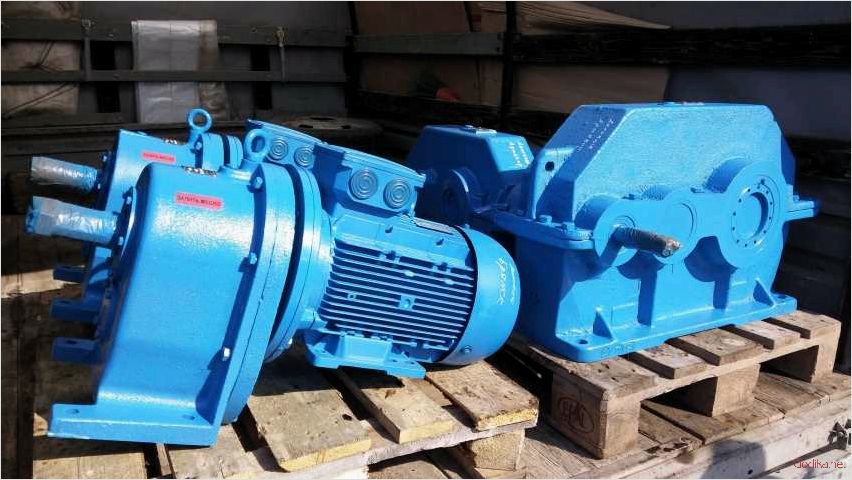
Helical two-stage gearboxes are also widely used in the automotive industry. They are installed on car transmissions and provide power transfer from the engine to the wheels, as well as increasing torque and reducing rotation speed. For example, if you install a gearbox with a gear ratio of 250:1 on the rear axle of a truck, this will significantly increase its traction characteristics and allow you to transport cargo more efficiently.
Application in Energy Industry
Helical two-stage gearboxes have also found application in the energy industry. They are used in hydro generators and wind power plants to transfer torque from the rotor to the generator. Gearboxes are also used in solar energy to turn trackers behind the sun. Gearboxes with a gear ratio of 250:1 allow you to increase the energy generated by hydro, wind or solar installations several times.
Care and Maintenance of Two-Stage Cylindrical Gearboxes…
The need for regular maintenance
Helical two-stage gearboxes are an indispensable element in various industrial installations. Regular maintenance of devices of this type is important to ensure their trouble-free operation and extend their service life. Lack of timely maintenance can lead to gearbox failure, which will entail additional costs for repair and replacement of the device.
Prerequisites for Maintenance
Typically, maintenance of helical two-stage gearboxes is carried out after a certain period of time or after a certain amount of work has been completed. It is recommended to carry out maintenance every 250 operating hours. However, if the gearbox operates in severe conditions (high humidity, elevated temperatures, aggressive environments), then it is recommended to carry out maintenance more often.
Maintenance Scope
Maintenance of helical two-stage gearboxes includes several main stages. The first step is a visual inspection of the device in order to identify visual defects and damage. Then the oil in the gearbox is changed, the oil level is checked and the operation of the cooling system is monitored. Particular attention at the maintenance stage is also paid to checking the condition of bearings, gears and oil seals. Defects and damage found must be repaired using specially designed tools and parts.
Ts2U, 250 cylindrical two-stage gearboxes are widely used in various industries, from metalworking to mining. They are effective under high loads and aggressive environments, allowing them to be used in harsh conditions.

Two-stage cylindrical gearboxes: design, operating principle, application
Two-stage cylindrical gearboxes: design, operating principle, application


